Art House: Where Art Comes to Life
Original art was never meant to disappear into storage or become invisible on the same wall. Art House, the New York platform co-founded by Angela Chatzidimitriou, offers a more fluid way to experience contemporary work: clients can rent, rotate, and eventually collect pieces by living artists. Through its work with private collectors, hotels, restaurants, members’ clubs, and luxury properties, the platform keeps art in motion while creating new paths toward ownership. We spoke with Chatzidimitriou about access, the emotional effect of living with original work, and why circulation could reshape the future of collecting.
Art House was created around the idea that original art should be more accessible and dynamic. What inspired this model, and what did you feel was missing from the traditional gallery experience?
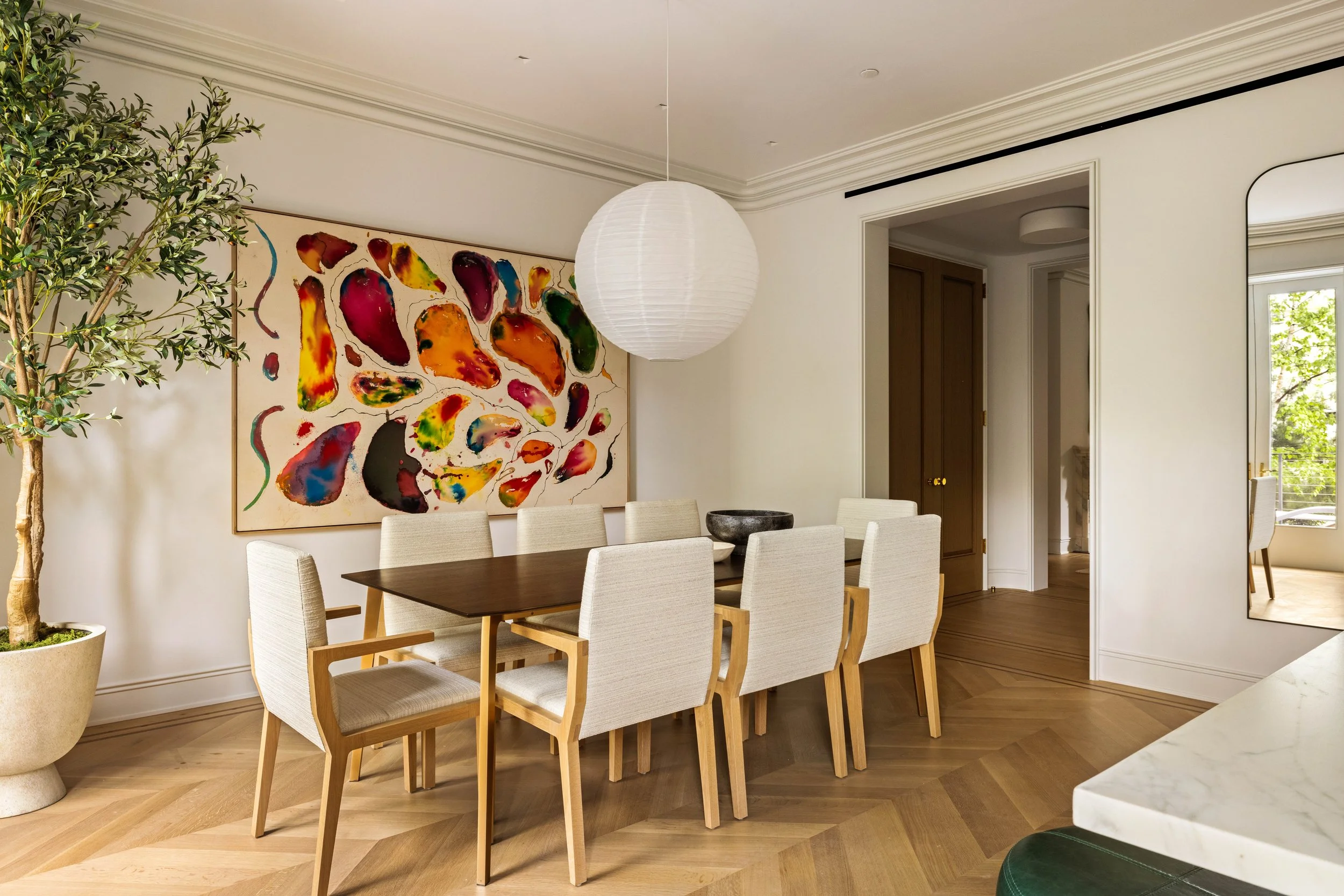
Original art has long been treated as static and locked away, either hanging in a gallery waiting for a sale or sitting in a collector’s storage unit. The traditional model demands a massive, permanent commitment before you’ve even had the chance to live with a piece. Beneath that is an old, inherited assumption about who art is actually for: a certain kind of wallet and a certain demographic, and usually that’s not you.
That felt completely backwards. The deepest relationships we build with objects, spaces, and even people come from familiarity over time, not a single upfront transaction. The constraint was never a lack of demand. It was a lack of access.
Art House exists to build that missing layer. Through a flexible model where rental payments earn you credit toward ownership, clients can rent, rotate, and collect original works by living artists on their own terms.
How does living or working with rotating art change the relationship people develop with a space?
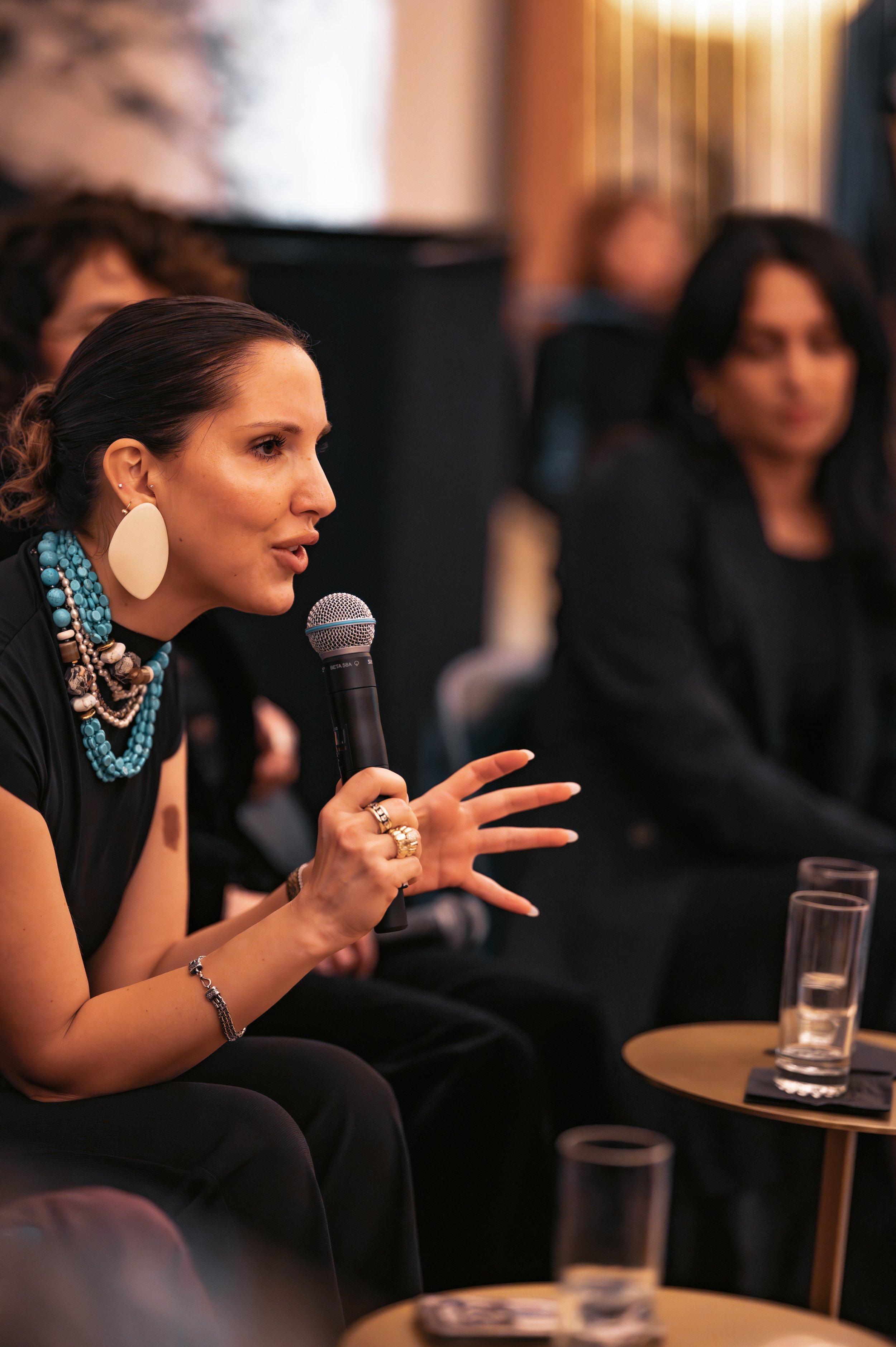
I’ve always said that art is a common denominator of humanity. People with entirely different backgrounds, geographies, and lives can stand in front of the same piece and feel the exact same response. It’s deeply humanistic, but it’s also functional. It can calm, energize, and invite genuine introspection.
A 2025 study from King’s College London put precise metrics behind this effect: individuals viewing original artworks experienced a 22% drop in cortisol, the primary stress hormone, compared to just 8% for those viewing reproductions. That isn’t just aesthetic decoration. It’s a physical, biological response to authenticity.
Static art eventually goes invisible. We simply stop registering objects we pass every day. Rotation keeps your eyes active and keeps that physiological benefit alive. Furthermore, when taking a piece home isn’t an irreversible decision, people are far more willing to live with something bold or unfamiliar. That willingness to take a chance is the entire point.
When curating a collection for a hotel, restaurant, members’ club, or private property, how do you balance the identity of the space with the perspective of the artists?
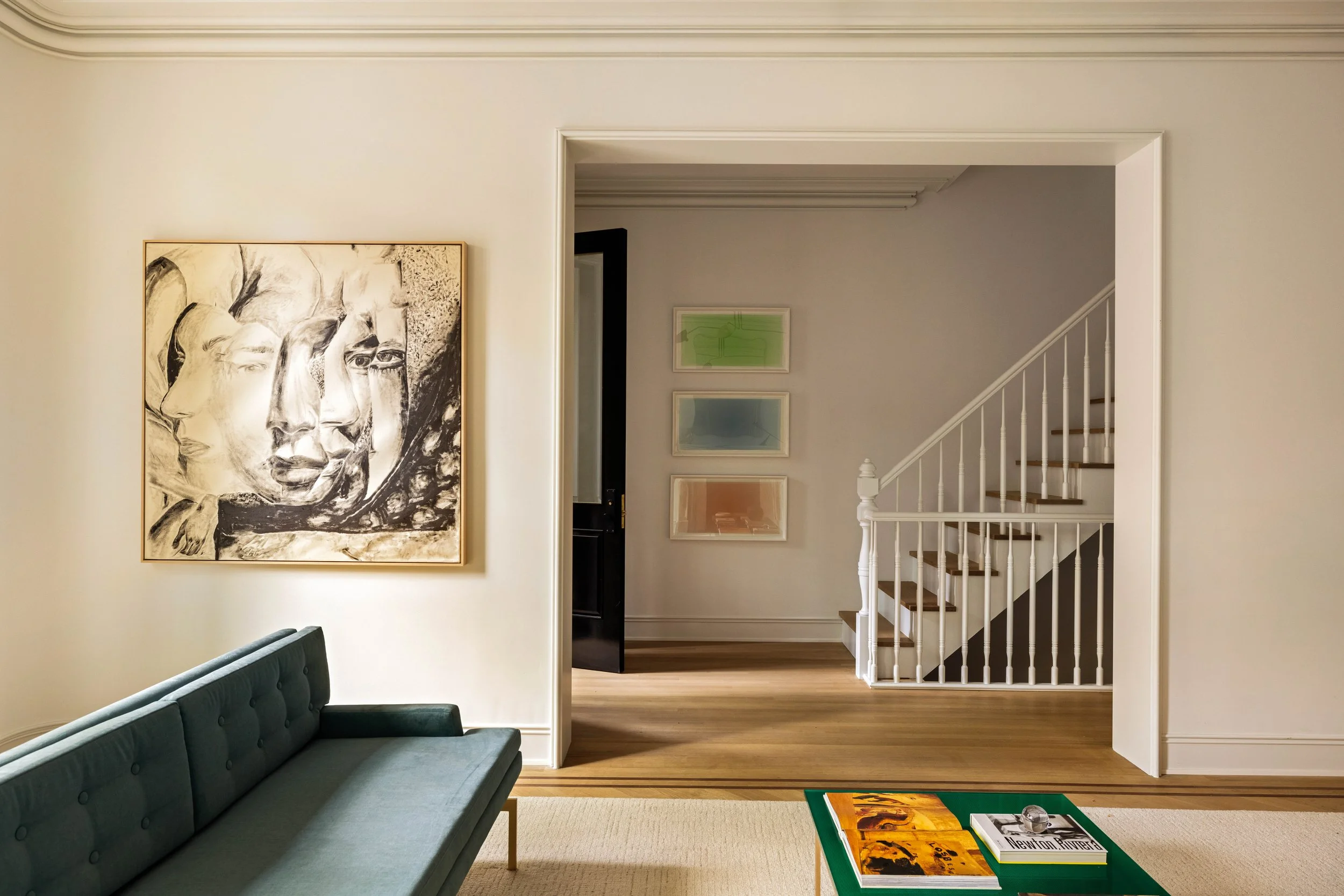
It’s less of a balance and more of an ongoing dialogue. Every space already speaks its own language through its architecture, lighting, materials, and crowd, and curation has to speak that language fluently. The goal is never to dilute the artist’s voice to fit a room. It’s about identifying artists whose perspective naturally resonates with the space, and then stepping back to let the work operate.
To be precise, this isn’t about sourcing “affordable decor.” It’s about the deliberate stewardship and placement of serious original work. Done right, the boundary between where the room ends and the artwork begins completely disappears.
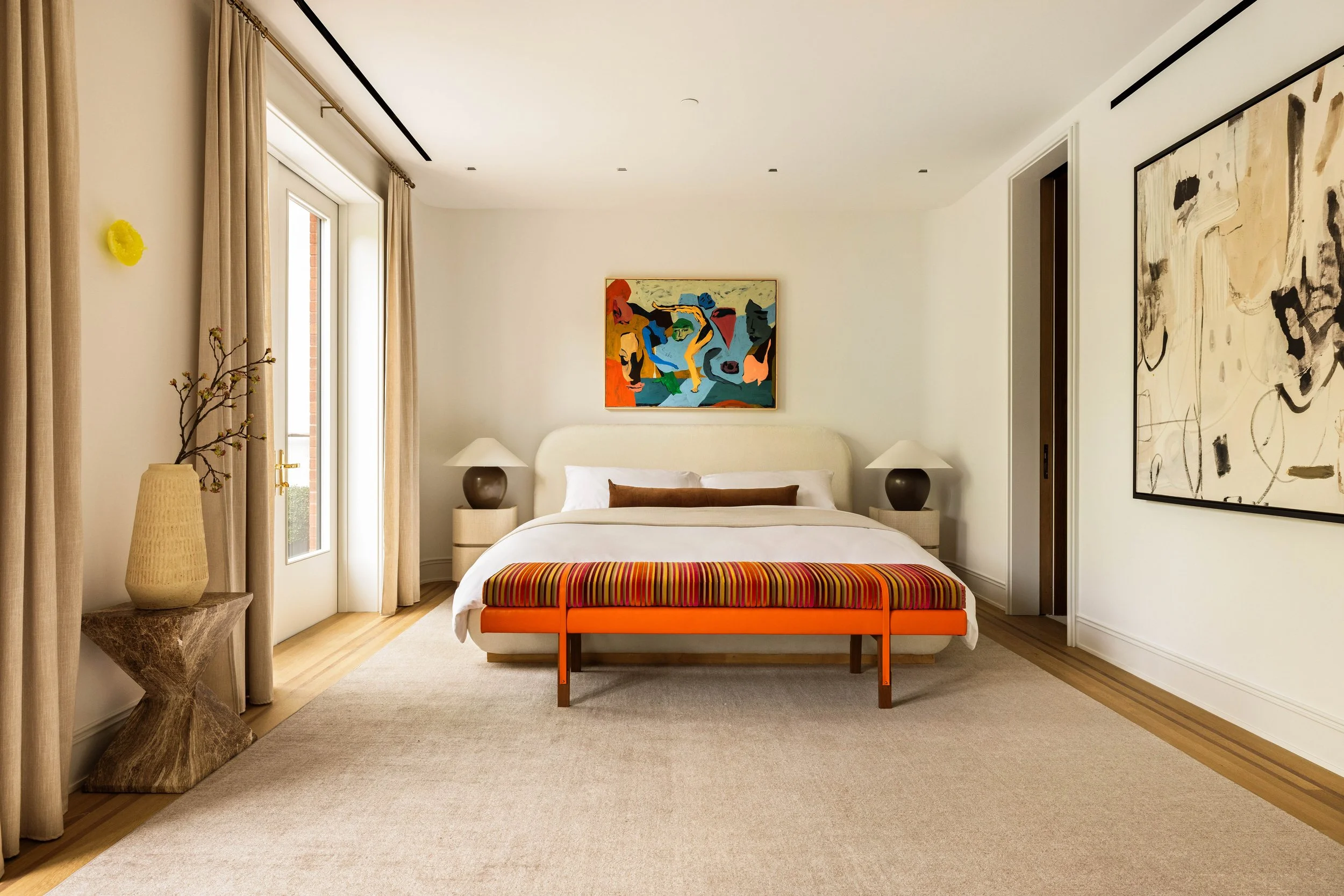
New York has one of the most active art scenes in the world. How does the city influence the artists you select and the way Art House approaches curation?
New York gives us access to a depth and diversity of working artists that few other cities can match, meaning we rarely curate out of scarcity. That density allows us to be intentionally selective and focus on cultivating long term, meaningful relationships with artists rather than transactional interactions.
The city’s restless, layered energy naturally reflects in the work we curate. We gravitate toward artists whose practice carries that same visceral pulse, pieces that feel dynamic and alive in a space rather than passive or purely decorative.
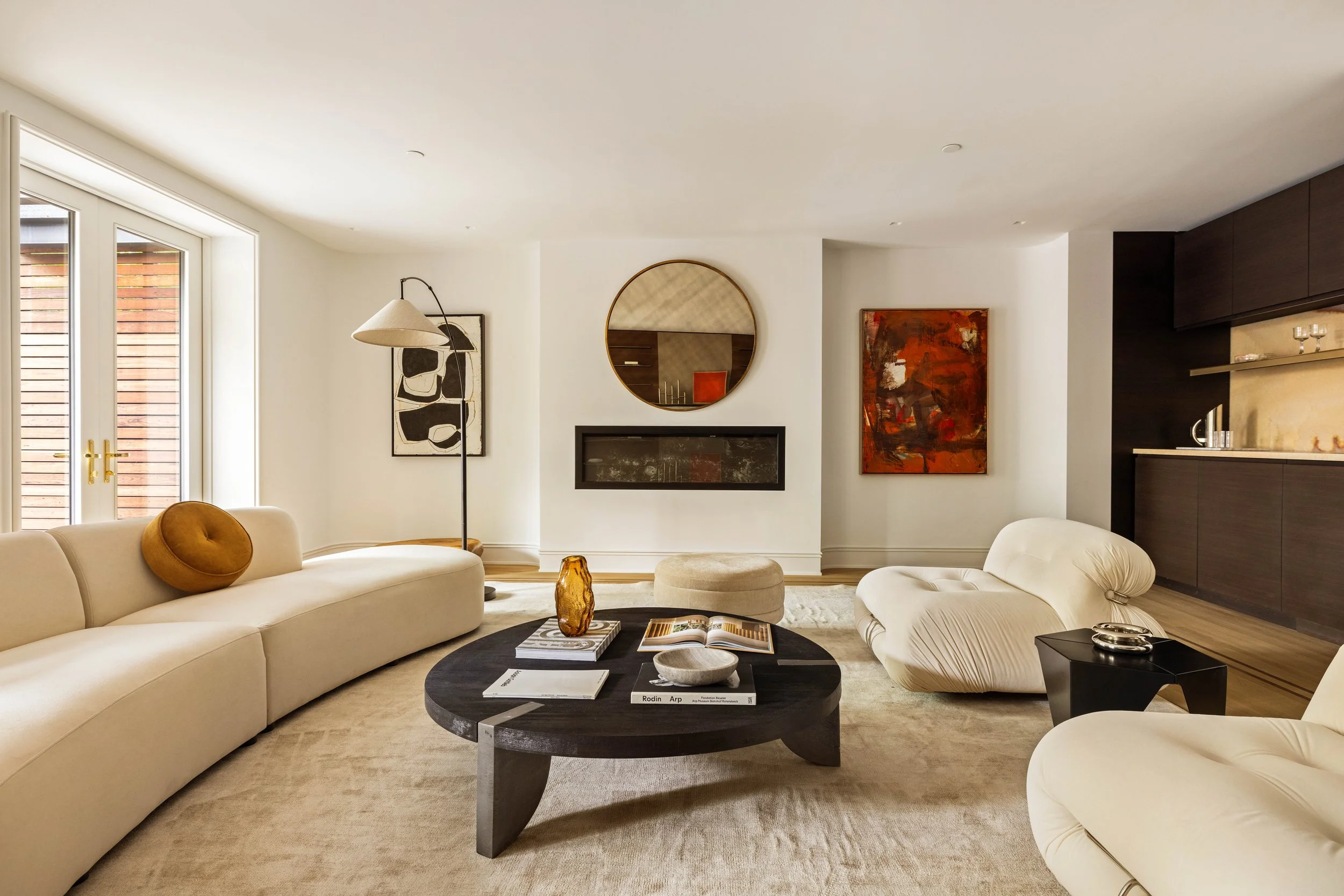
What do you hope Art House can change about how emerging artists are discovered, supported, and collected?
The traditional gallery pipeline is notoriously narrow: secure representation, land a show, and hope the right collector walks through the door with both capital and taste at the exact same moment. Exceptional artists get lost in that bottleneck simply because they weren’t in the right room.
I believe in circulation as a driver of value. Every person who lives with an original piece becomes a prospective collector, and keeping art in active movement expands the market instead of diluting it.
Art House is built on the conviction that original art belongs in everyday life. Owning original work should feel like a natural, accessible evolution rather than an intimidating leap, and that door should be open to everyone.
Ready to live with the art before making it yours? Explore the artists and available works at heyitsarthouse.com.