
Juan M. Gomez Quietly Shaping the Future of Drinks
By Daniel Quintero
Some people end up in the drinks industry; others manifest it. Juan M. Gomez did. We sat down for a conversation that moved from marketing lessons to global trends, from Absolut nostalgia to the future of Gen Z consumption, and even the travel destinations on his bucket list.
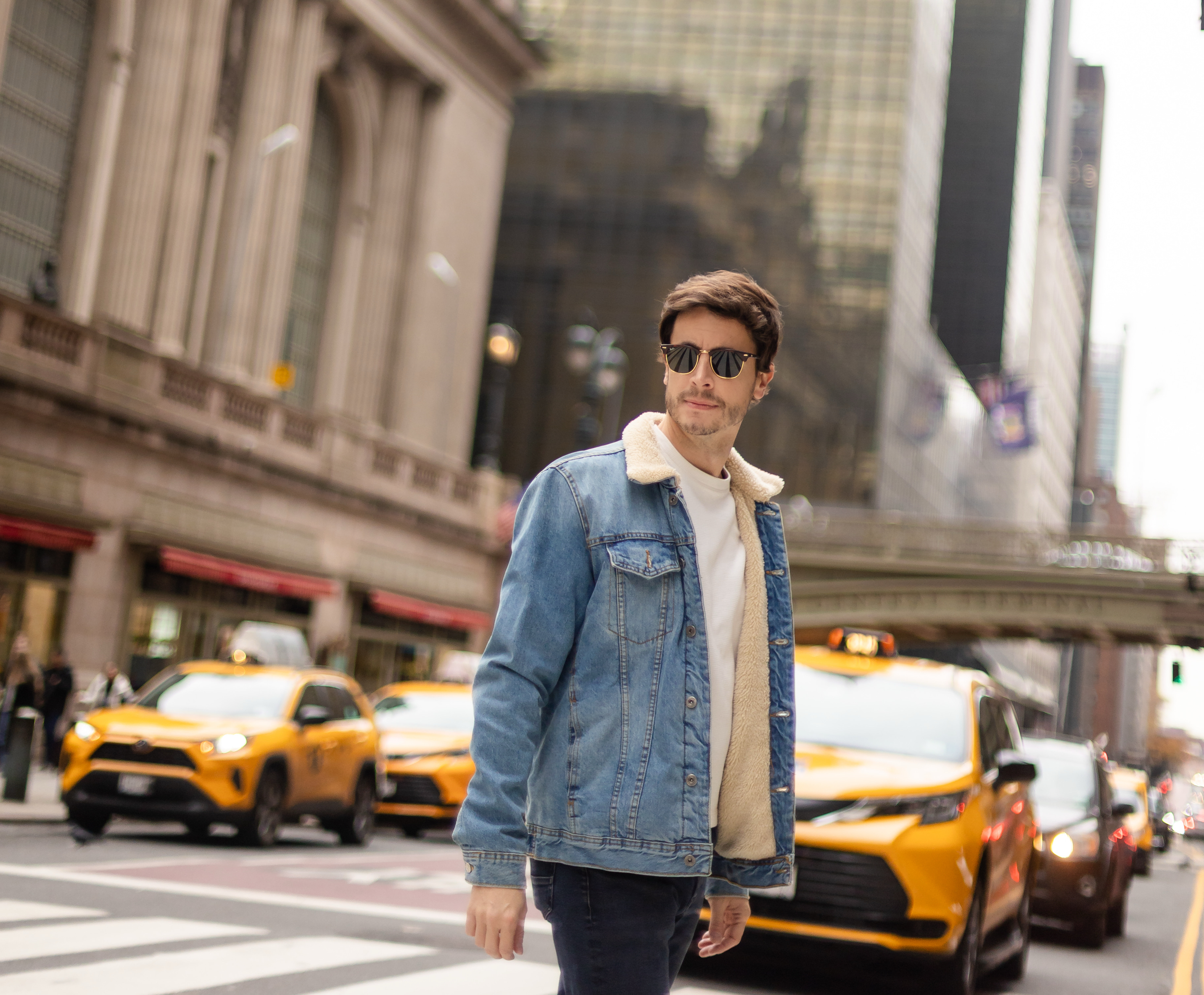
Q: Juan, you and I share a similar trajectory—Latin American roots, global perspective. How did your story in the drinks world begin?
A: I started at Unilever in Uruguay. Excellent training, very structured, classic FMCG. But even then, I was obsessed with the Absolut Brand. Every time I walked through a duty-free shop as a student, I’d stop in front of the Absolut shelf. The creativity, the campaigns, the limited editions, it was all fascinating.
Q: How did your career begin, and how did you end up in the world of spirits?
A: I’m Uruguayan, and I started my career at Unilever in Uruguay. I worked there for about three years in fast-moving consumer goods. But even when I was young, I was always drawn to the world of drinks. There was one brand in particular—Absolut—that I admired a lot because of its creativity, its campaigns, the limited editions, and its visibility.
When Pernod Ricard opened a marketing position for Absolut, Beefeater, Jameson, and Chivas, I applied. I got the job when I was 24, which was incredible for me—managing such iconic brands at such a young age.
Q: That opportunity took you outside of Uruguay. What came next?
A: Yes. My manager was based in Buenos Aires, so I moved to Argentina and lived there for four years. It was my first international experience. It’s a much bigger market, and at the time, there were import restrictions and price controls, so it was a very challenging period.
Q: And then Mexico became your next chapter.
A: Exactly. After Argentina, I moved to Mexico City for four years. It was my first global role, managing tequilas and mezcals. That experience was incredible because it exposed me to a completely different consumer and category. Visiting mezcal palenques in Oaxaca, seeing families who’ve been making mezcal for generations, watching how agaves are harvested, cooked underground, crushed with a stone wheel—it’s one of the most artisanal categories I’ve ever worked with.
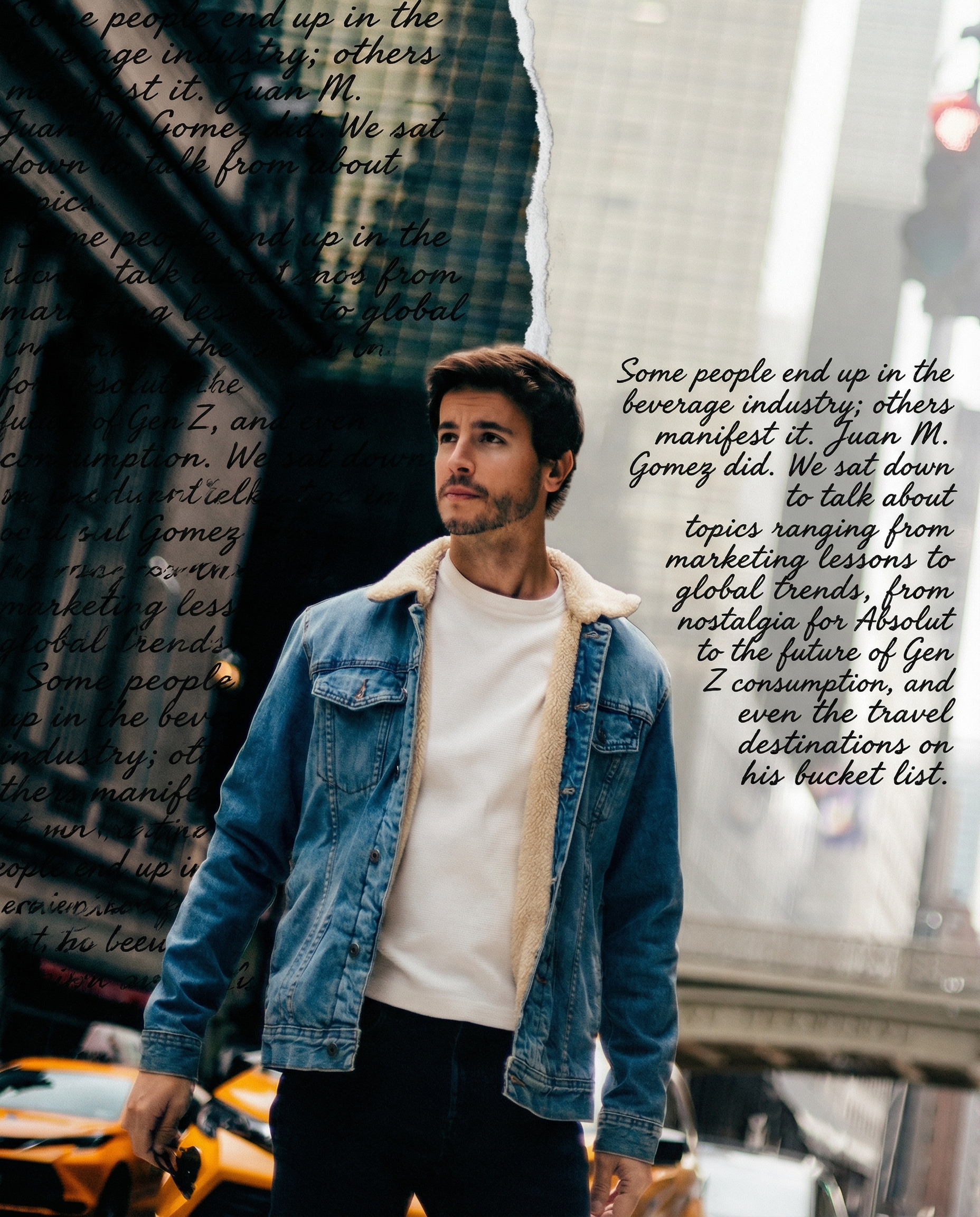
Q: Later you return to the United States, now focusing on American whiskey. How did that transition happen?
A: I moved back to the U.S. because the global role with tequila and mezcal was very similar to what Pernod Ricard needed for American whiskey. Today, I’m based in New York as the Global Business Development Director for the company’s American whiskey brands—three bourbons and one flavored whiskey, Skrewball.
Whiskey, just like tequila and mezcal, has a very strong cultural identity. Bourbon is deeply connected to American culture—Texas, Kentucky, the Midwest.
Q: What surprised you most about the U.S. market?
A: The U.S. is like having 50 countries in one. The distributor system is very strong. In Uruguay I could approve an idea and execute it directly. Here, you have to convince the distributor first. If they don’t buy the idea, it doesn’t happen.
That forced me to develop influence skills and spend time in markets like California, Texas, and Florida to understand what worked and what didn’t.
Q: Having worked with categories as artisanal as mezcal, what stood out to you in comparison?
A: Mezcal is extremely artisanal—small alembics, agaves that are 20–25 years old, everything done manually. Forecasting production is very complex. In whiskey, although it also has craftsmanship, the industry is much more standardized.
Q: Which markets are most important for your brands today?
A: The number one market is the United States by far. Then Canada, the United Kingdom, Australia, Japan, and travel retail. In Europe, Germany and Poland are relevant markets too.
Q: Looking ahead, what trends are you seeing in alcohol consumption?
A:
Ready-to-drink/ready-to-serve has grown around 10% annually over the last six years.
Beer is stable with a slight decline, but non-alcoholic beer is growing 9% annually.
In spirits, overall volume has been declining about 2% per year globally, but non-alcoholic spirits have been growing 25% annually.
There’s also a rise in “light” versions of spirits with lower ABV.
And the big shift: flavored whiskey. Ten years ago, it was 16% of U.S. whiskey sales; today it’s 28%. Outside the U.S., it grew from 2% to 7%.
Q: Why is flavored whiskey growing so fast?
A: Because younger consumers find it easier to drink. It works as an entry-level. Before, entry-level was bourbon or Irish whiskey; now it’s flavored whiskey. And from there, people move to more complex products.
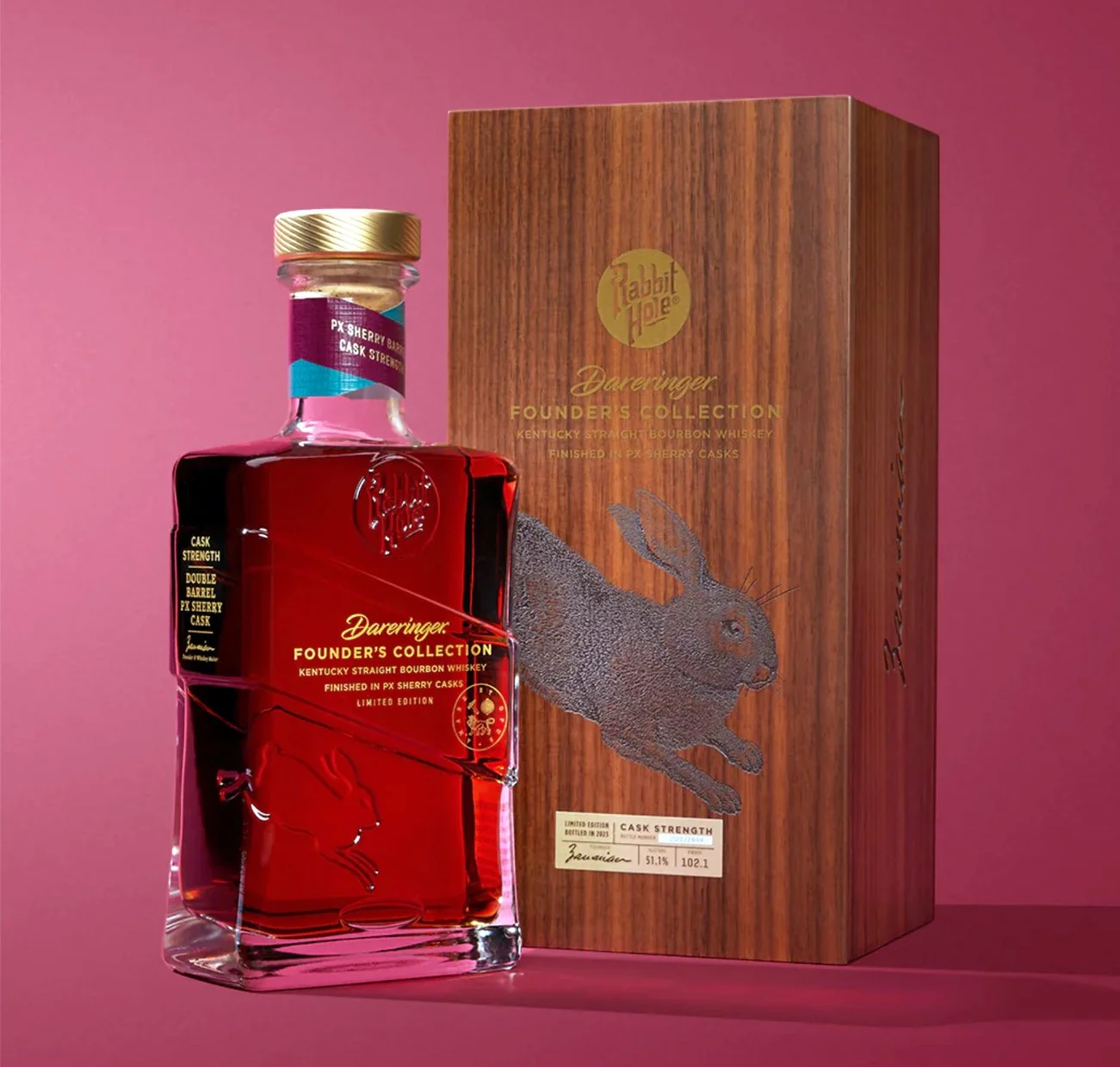
Q: You mentioned two whiskeys you personally love. Which ones?
A: Rabbit Hole Daringer, because it’s a bourbon aged in sherry casks, so it has a particular sweetness. And Jefferson’s Ocean, which is aged at sea. The movement and temperature changes during the voyage create a much more intense—and different—flavor profile. Each voyage tastes different.
Q: When you’re not drinking whiskey, what do you drink?
A: Mezcal. I like it neat, and I like it in cocktails, especially when mixed with sweeter bases like pineapple, passion fruit, or orange.
Q: You also love traveling. What destinations are on your list?
A: This year I checked Iceland off my list. I also went back to Australia, which I really liked. And for 2026 I want to go to Egypt.
Q: To wrap up: what has this industry taught you about people?
A: That everything is about relationships. You have to travel, listen, understand cultures, and understand what matters to each market. What works emotionally in one country doesn’t necessarily work in another. Flexibility is essential.
When you talk to him, you understand why. There’s an undeniable warmth, a genuine curiosity, and a precision in the way he connects the dots between culture, markets, and people.