Buenos Aires, Served Neat
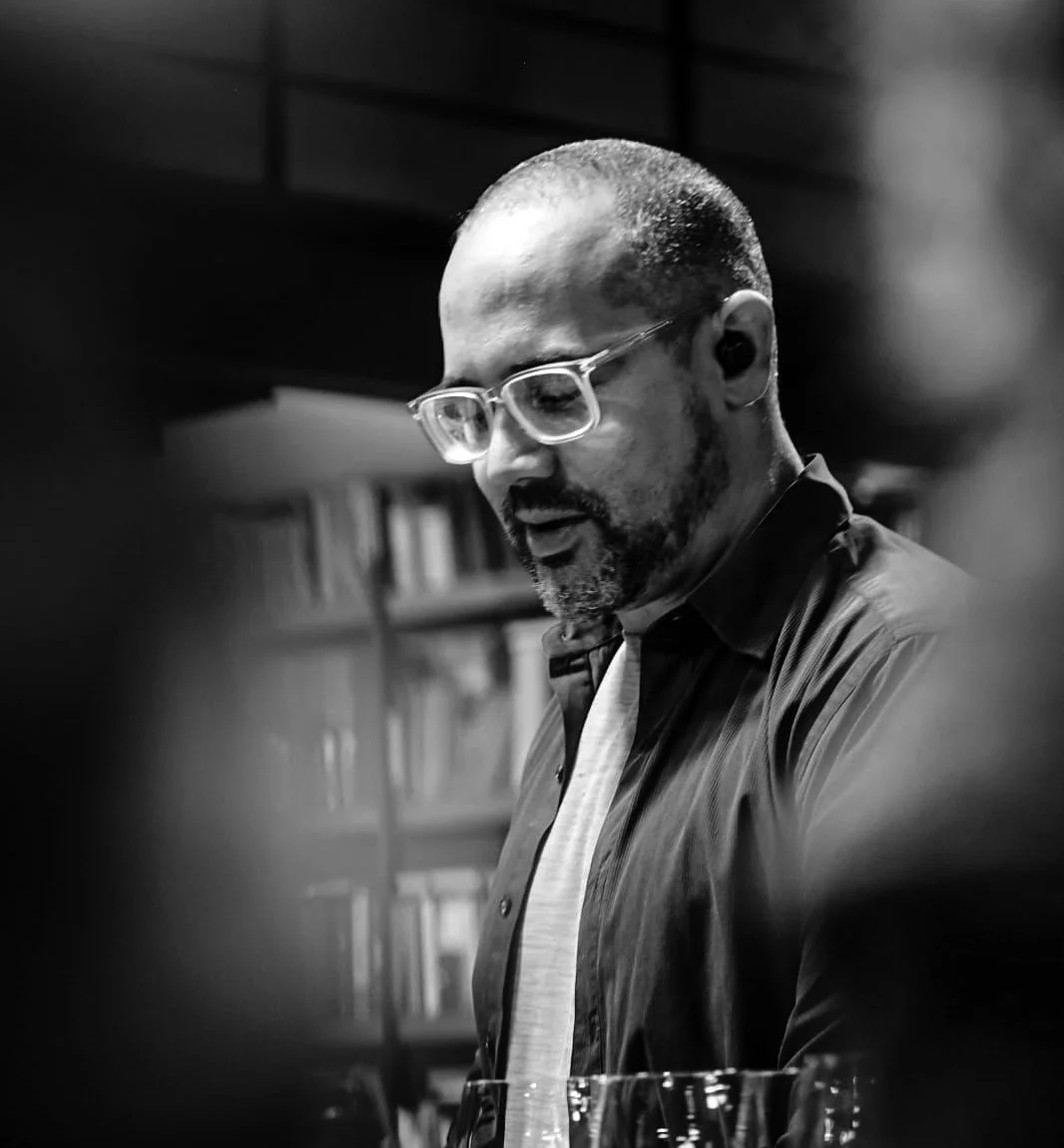
By Daniel Quintero (IG @danielquintero)
Forget the hourly itinerary. The most compelling way to navigate Buenos Aires is by appetite: follow the city from wood-fired lunches and warm cookies to serious coffee, late-night Martinis, and whatever happens to be onstage after dark.
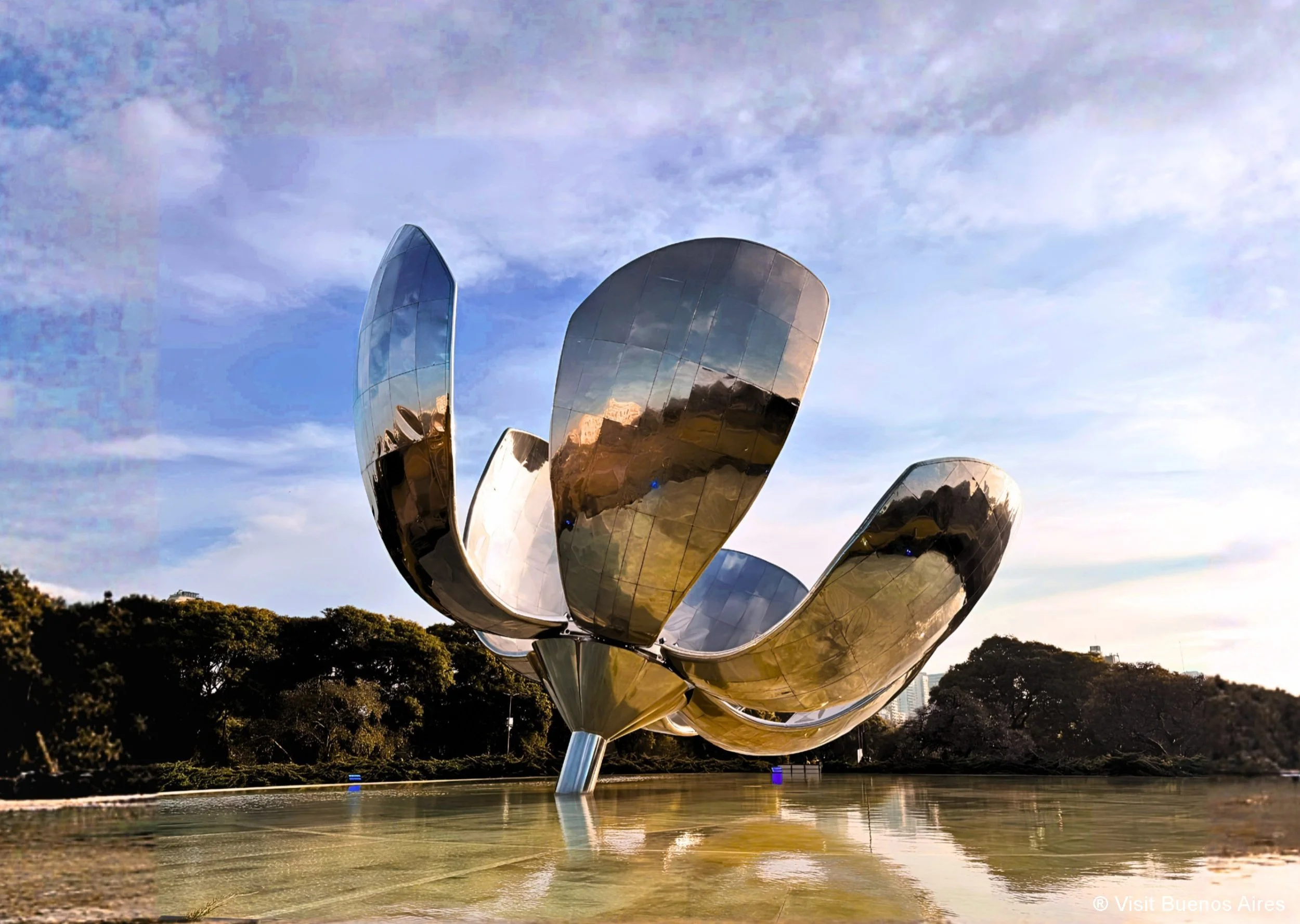
Buenos Aires is a city built for going out. Reservations help, especially at its most sought-after restaurants, but the real pleasure lies in no reservations: a bakery window crowded with facturas, an espresso that becomes a two-hour conversation, another bottle opened at lunch, or a concert billboard that rewrites the entire trip.
During hot months in New York, the wintery air in Buenos Aires can be sharp while the sunlight remains almost theatrical. Palermo and San Telmo reward long walks; Recoleta offers rituals; and downtown moves between booksellers, theaters, broad avenues, and the Obelisk. Food and drink provide the structure, but they never exist in isolation from the city's architecture, cultural life, or appetite for staying out.
This is not a definitive list (yet), nor a schedule to follow. It is a way of reading Buenos Aires through what it does exceptionally well.
Fire, Beef, and You
In Argentina, the parrilla is never far away, but Buenos Aires’ relationship with beef is anything but one-dimensional. It might take the form of a globally celebrated institution, a small restaurant shaped by the spirit of family asado, or a dining room where Argentine comfort is served with the elegance of a grand hotel.
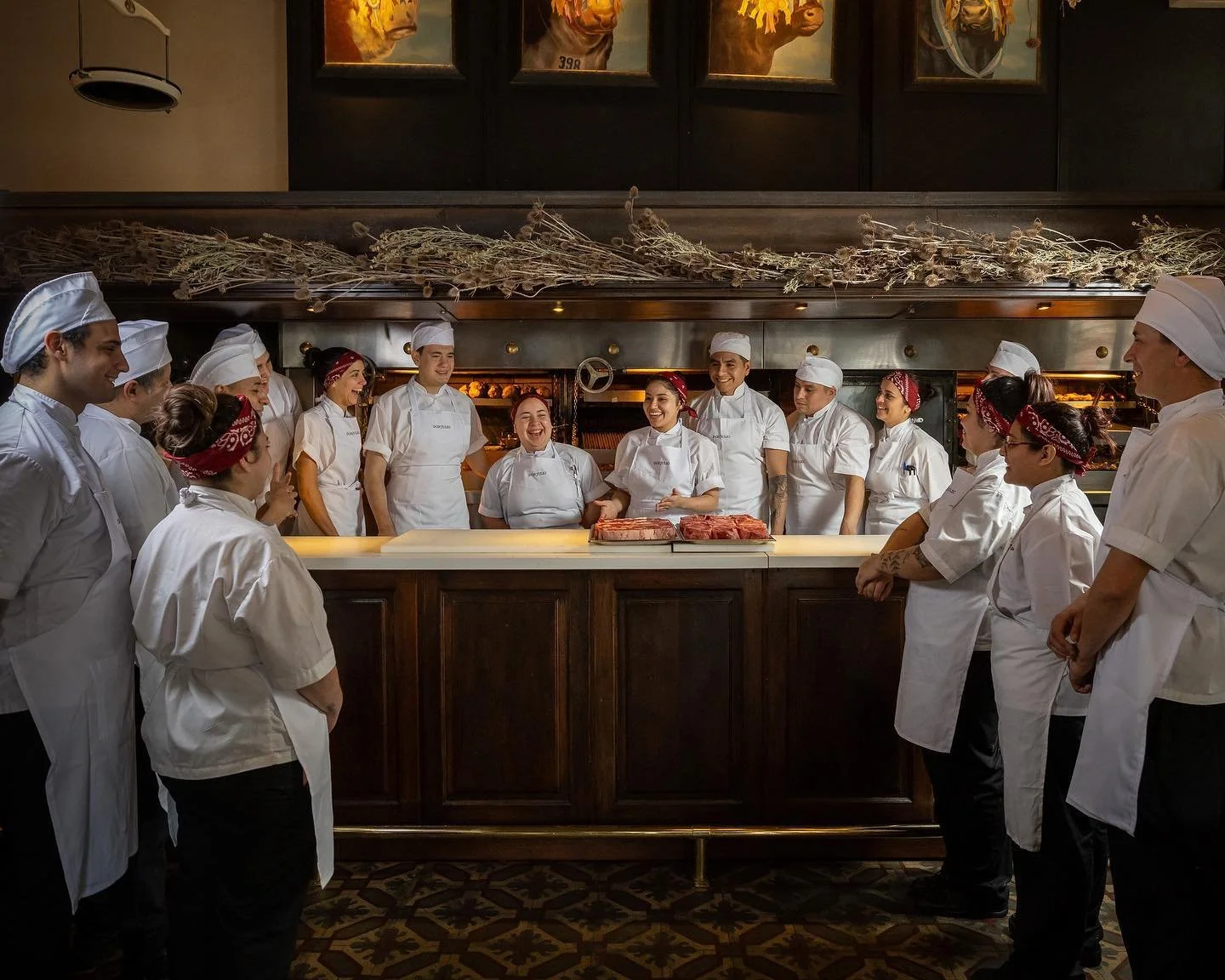
At Don Julio, international acclaim has not overshadowed the essentials: Argentine beef, wine, and hospitality, all offered with a natural ease. It is wise to reserve as soon as your trip is set. In winter, lunch arrives with three menu options—a full menu, a shorter version, and a vegan selection. The shorter winter menu might include steer cecina and libritos, sweetbreads with ember-roasted beets and blood orange, spicy chorizo, steak with roasted sweet potato, and more ice cream than anyone plans to order, but few regret.
Wine pairings offer different readings of Argentina: Modernist highlights contemporary producers, while Traditionalist looks toward established regions and styles. A non-alcoholic progression uses seasonal fruit, flowers, herbs, and infusions. Lunch is meant to be enjoyed calmly, with bottles and conversation as part of the same ritual.
La Carnicería, from Germán Sitz and Pedro Peña, works at a more intimate scale. Its identity grows from Sitz's affection for family asado, translated into a personal, tightly edited restaurant. Our visit was an improvised meal among colleagues—empanadas, bone-in beef, fries, and an unexpected dulce de leche crêpe with apples and candied peanuts prepared by Peña. Travelers should book the regular experience rather than attempt to reproduce this private exception; what carries across both is genuine generosity around fire.
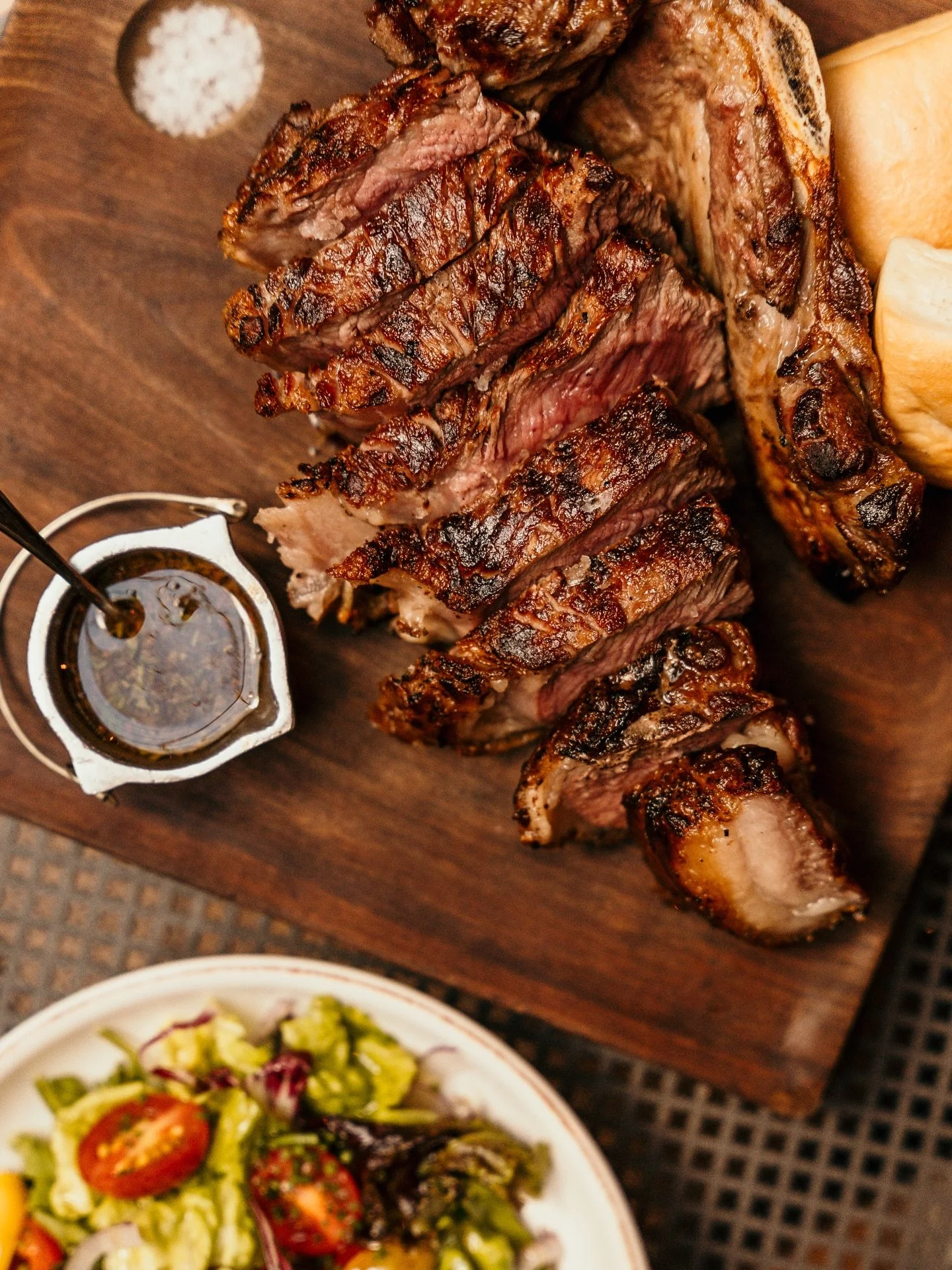
In Recoleta, Elena, inside the Four Seasons Hotel Buenos Aires, presents another register. The restaurant draws aesthetic inspiration from the old houses of San Telmo, a neighborhood known for its historic tango halls. Guests enter through an intimate dining area surrounded by the wine cellar before reaching the brighter main room, set beneath a soaring glass dome with an open kitchen and visible dry-aging cabinets.
The menu follows Argentine tradition through the lens of a contemporary steakhouse. Alongside sweetbreads, milanesa with fries, Caesar salad, charcuterie, cheeses, fresh fish and pasta, the Josper grill takes center stage with cuts such as Angus strip steak, a 45-day dry-aged Angus T-bone and Argentine Wagyu rib-eye. A selection of house-made ice creams created under the Dolce Morte Brand by pastry chef Joaquín Grimaldi provides a deliberately uncomplicated finish. Begin with a balanced Dirty Martini from Pony Line, then move to Argentine wine: classic luxury is most convincing when it knows how to relax.
Comparing the three would miss the point. Don Julio offers a panoramic expression of Argentine hospitality; La Carnicería turns asado into something personal; Elena surrounds familiar pleasures with intuitive service and old-school glamour.
A New Buenos Aires Table
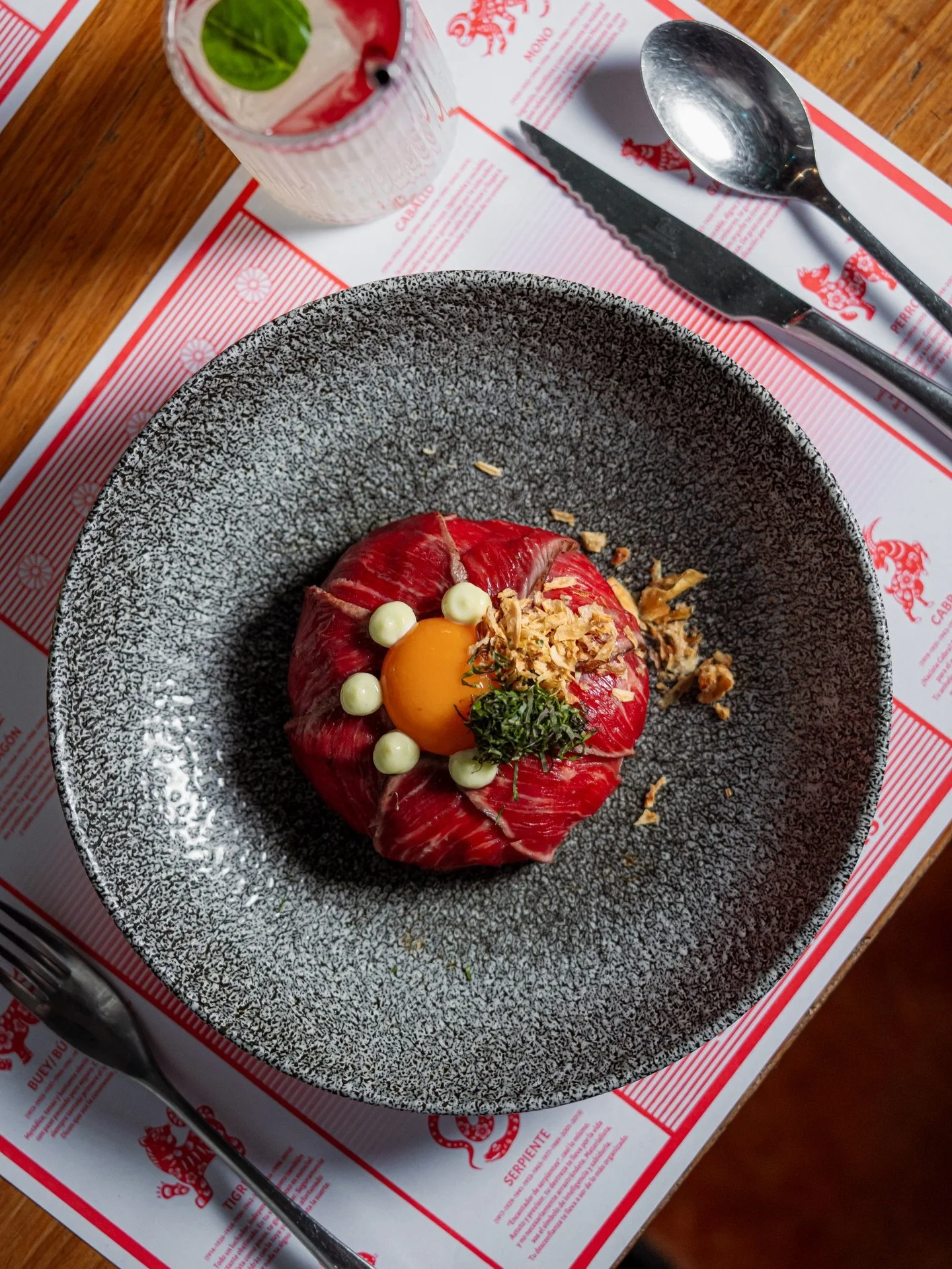
The city is not sustained by tradition alone. Some of its most engaging dining rooms work with smoke, fermentation, Asian references, informal formats, and spaces that resist conventional definitions.
At Ness, dining room and kitchen seem to bleed into each other. A seat beside the pass places the guest inside the restaurant's rhythm. The cooking is direct and deeply flavored, with grilling and fermentation running through the menu. The essential ending is a halva flan with miso caramel and black sesame—the dessert I almost declined and immediately regretted missing.
Niño Gordo works equally well as dinner and as the opening chapter of a longer night. The Asian-inspired parrilla delivers rib-eye tataki with cured egg yolk, wasabi, and shiso, alongside dishes such as mushrooms with tofu, cauliflower, and edamame. The room has real charge, the cocktails keep pace, and the cooking gives the spectacle a reason to exist.
Returning visitors might consider Antro, where itamaes Gustavo Rivero and Matías Flores serve a 14-course Nikkei omakase, paired with wine from sommelier Marcela Rienzo. It makes more sense on a second or third visit—not because it lacks interest, but because a first encounter offers too many tables that speak more immediately in an Argentine accent.
In Villa Crespo, El Bocadito feels like an unfinished idea in the most appealing sense. Exposed walls, simple tables, a handmade oven, and natural wine create a room held together by visible affection. Chef Wilson Avellaneda, formerly of Cancha, serves pizzas and small plates including house-made empanadas, tartare sandwiched between gaufrette potatoes, and lamb lahmacun with labneh and green chutney. Two blocks from Movistar Arena, it makes an excellent post-concert landing place.
Bakeries, Cookies, and the Argentine Dairy Advantage
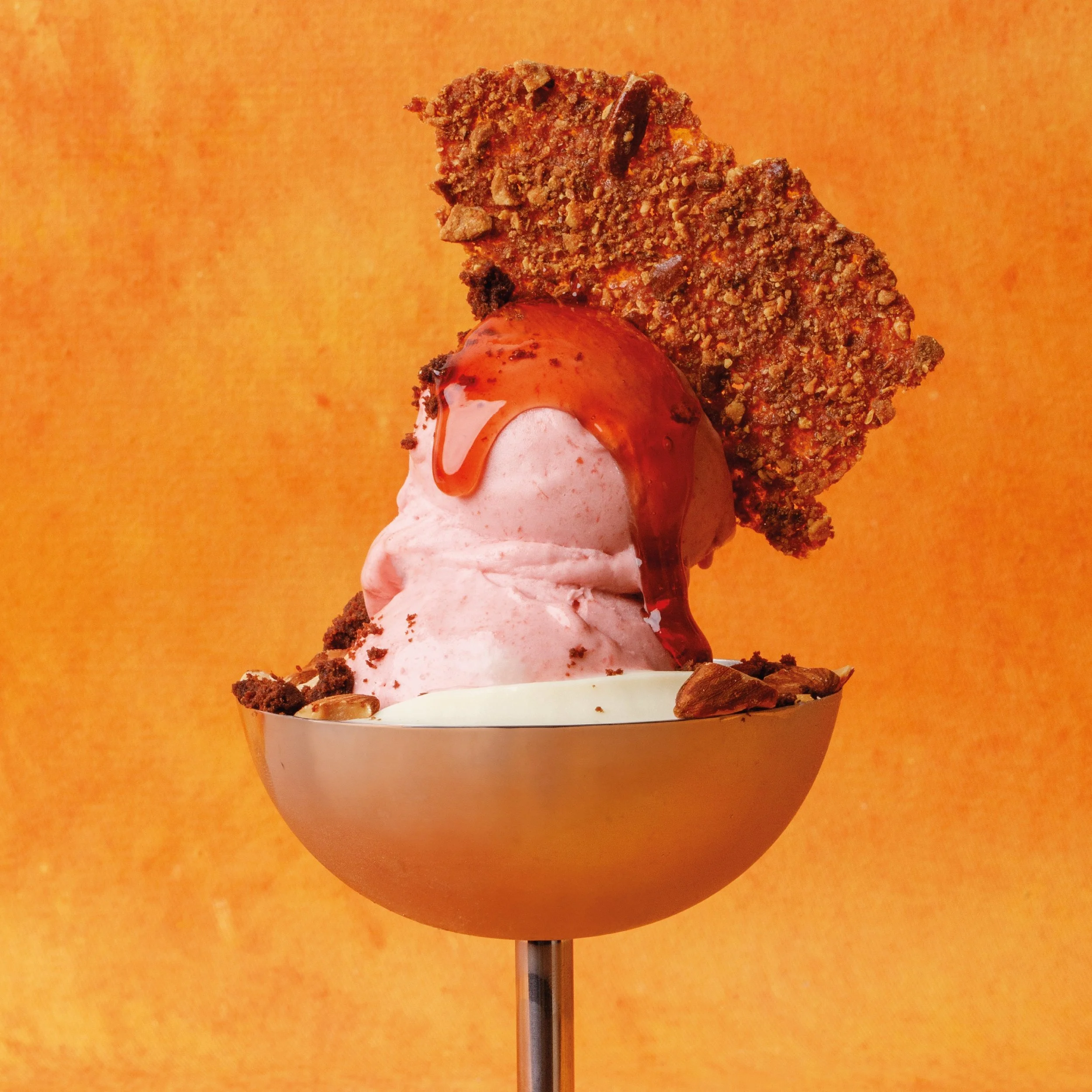
Walking through Buenos Aires means confronting an unreasonable number of bakery windows. Resistance is neither useful nor particularly fun.
At Amasadero, warm chocolate-chip cookies triggered something close to a Cookie Monster transformation. There may be more elevated ways to begin a city, but few more convincing than eating something still warm from the oven on the sidewalk.
Social Corazón, created by Guido Tassi and Pablo Rivero—the team behind Don Julio and El Preferido—expands the neighborhood bakery into an all-day proposition. A medialuna de grasa and espresso work in the morning; large, soft gnocchi arrive under tomato sauce and melted cheese when something more substantial is required. The cookies justify a return visit: walk in, eat one, walk out.
In San Telmo, Obrador de Panes & Galletas is a neighborhood jewel founded by Carolina Serradilla. Her breads, cakes, cookies, and facturas draw on childhood memories from Río Negro, travel, and recipes preserved in notebooks and handwritten scraps. Seasonal ingredients may arrive from her country home. Serradilla has the compact, magical presence of a fairy from Sleeping Beauty—if the gift bestowed at birth were the ability to invent pastries and write the formulas on the walls as she works.
Ice cream deserves more than a passing mention in Buenos Aires. Just around the corner from its namesake restaurant,El Preferido Ice Cream Kiosk translates Pablo Rivero and Guido Tassi’s approach to Argentine food into a compact, takeout-only format. The project draws on the Italian legacy behind the city’s ice-cream culture while prioritizing flavor over durability. Everything is produced in-house, including the cones and nut pastes, with no additives. Permanent flavors such as dulce de leche, sambayón, pistachio, and chocolate share the menu with weekly and seasonal additions. The result is notably creamy and rich, best enjoyed immediately on the Palermo sidewalk.
Obrador Florida approaches ice cream from the logic of a restaurant kitchen. Founded in 2022 by graphic designer-turned-cook Mercedes Román, the project builds its short, changing menu around seasonality, origin, and culinary technique. Fruit appears only when it should: lemon combines peel, juice, and fermentation, while other recipes may use hot and cold infusions to reveal different layers of aroma. The ice creams are served slightly warmer and with restrained sweetness, allowing ingredients to register more clearly. During this visit, Lemon, Río Negro Hazelnut, and Dulce de Leche demonstrated two distinct strengths: a willingness to experiment and a deep respect for the product.
A Coffee Shop for Every Kind of Morning
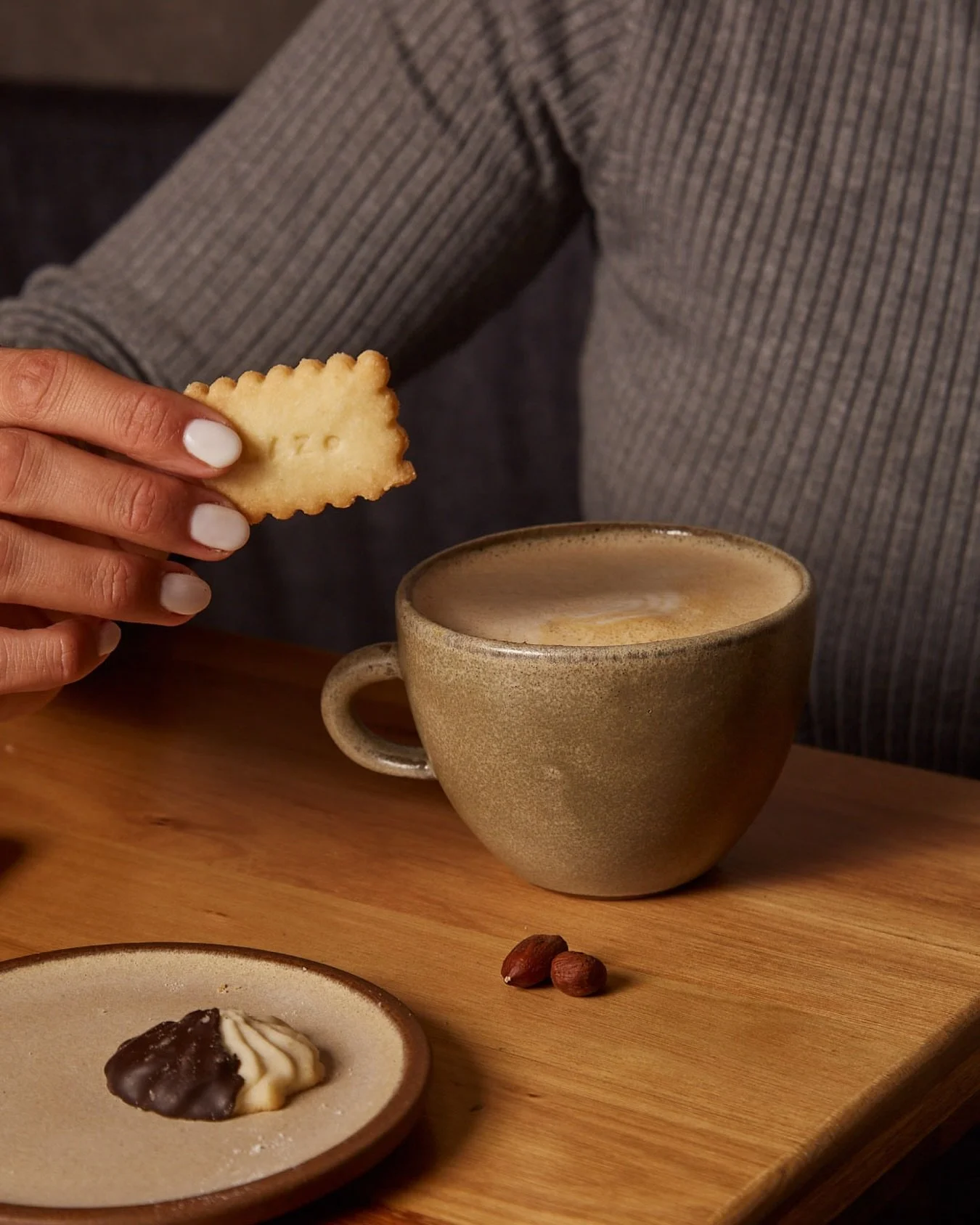
Buenos Aires' specialty-coffee scene lets you choose the room to suit your intent: conversation, work, a rotating filter menu, or a closer look at local roasting.
At Padre Café & Panadería, recommended by coffee journalist Nicolás Artusi, a cappuccino led naturally to a flat white, both accompanied by medialunas and a long conversation. The handsome room makes its purpose clear: a sign reads “No coworking,” and the conveniently absent power outlets reinforce the message. Drink the coffee, close the laptop, and make a different kind of connection.
Cafetería Lazo is the functional opposite. Outlets sit beside the tables, and a temporary office community forms early in the day. Cappuccinos, flat whites, double espressos, pastries, and sandwiches circulate while the playlist carries the room. Its pour-over selection changes with beans sourced from local roasters.
At Jorge Luis Borges 2021, Fruto Café began in 2020 with the intimacy of the small specialty shop in mind: direct contact between barista and guest, multiple brewing methods, different origins, house-made pastry, music, and warm service. Its roasting experiments reflect a broader local appetite for increasingly serious coffee.
Cuervo Café, founded in 2017 by musicians Pablo Tokatlian and Agustín Caro, pairs an easygoing artistic atmosphere with precise coffee work. The company has roasted in Chacarita since 2021 and now operates several locations, including its Palermo Soho shop on El Salvador. Espresso and filter drinks share the menu with chipá, croissants, brunch dishes, and vegan or gluten-free cakes. Growth has not erased the community feeling that made the project compelling.
Martinis, High Energy, and the Economics of a Great Bar
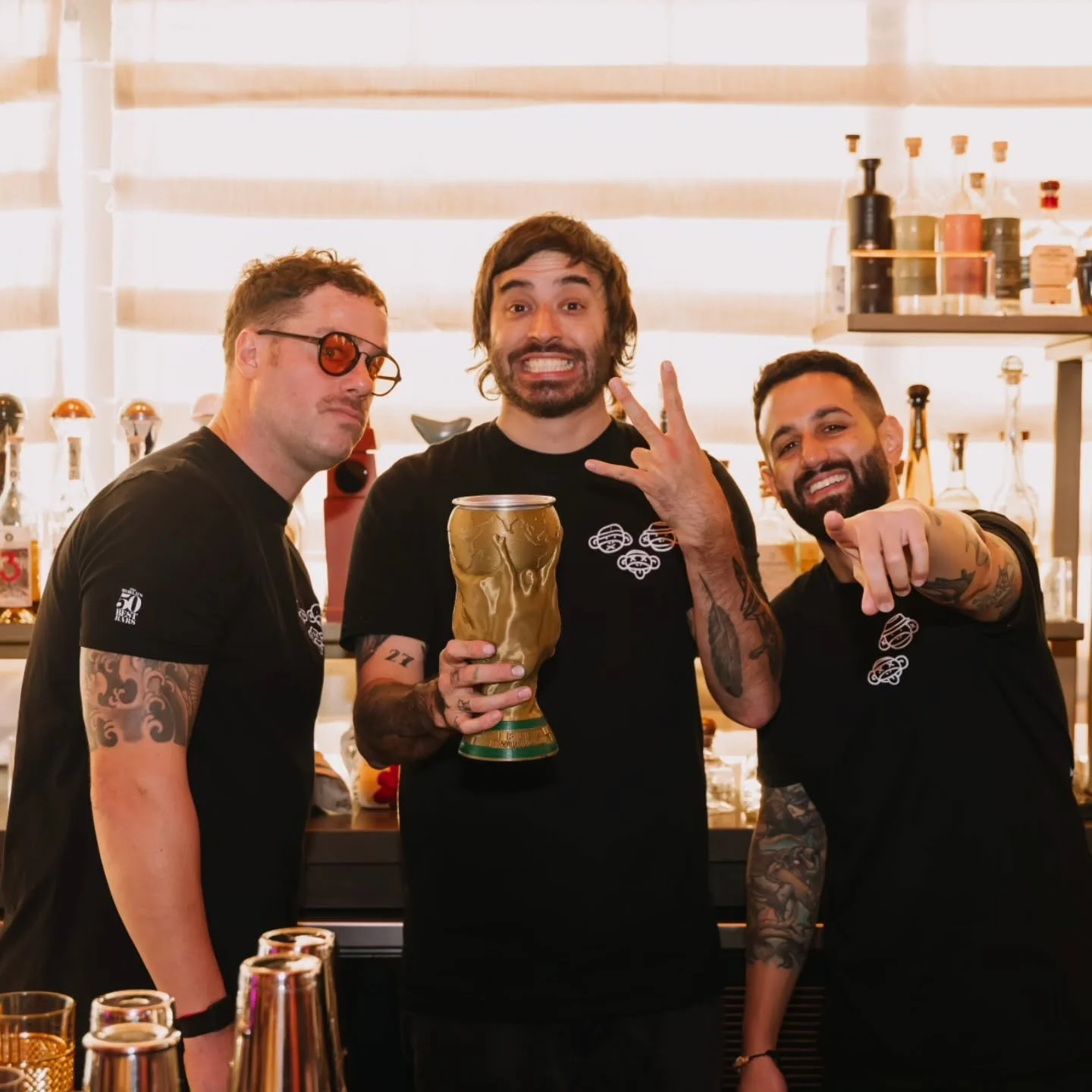
Buenos Aires offers a sophisticated bar crawl without repeating the same mood.
Tres Monos, ranked No. 10 on The World's 50 Best Bars 2025, is a high-energy room built on sharp drinks and music that dictates the pace. Look behind the bar and another story emerges. The team produces its own London Dry gin; coffee, orange, and botanical liqueurs; a pear-and-rhubarb cider; and a limited-edition whisky.
The botanical range sketches a map of Argentina. Northern expressions recall herbs such as muña and rica-rica; southern profiles move toward berries, including white currants from Río Negro. In-house production is not creative theater. It gives the team greater control over flavor, cost, and identity while navigating the country's recurring economic volatility.
Víctor Audio Bar is far larger than its name might suggest. It crosses the DNA of a listening bar with the high-energy sensibility of the Tres Monos team: private booths, a bar running almost the length of the room, and a DJ at the center of the experience. The menu travels through the Martini family—Martínez, 50/50, espresso, pornstar, dirty, and dry—while the Niño Gordo kitchen sends out truffled mac-and-cheese croquettes, cacio e pepe fries, fried chicken, hot dogs, and a house s'more that became one of the trip's best desserts.
For a polished opening drink, Pony Line remains a strong choice. For a boozier farewell, Grapín proves that noon is not too early for a Kir Royale or Dirty Martini when the flight leaves hours later. Tender olives in a light brine, fried baby squid, and excellent corn croquettes make a persuasive closing argument.
Culture Is Not the Intermission
A food-driven trip should not trap the traveler inside dining rooms. Buenos Aires supports an almost unreasonable cultural calendar: commercial and independent theater, musicals, opera, ballet, classical music, and major touring acts coexist throughout the week.
Avenida Corrientes is the city's Broadway in both scale and spirit, with marquees, bookstores, theaters, and enormous billboards activating the street after dark. Before any visit, check the Teatro Colón's schedule, whether for a performance or the chance to step inside one of the world's great opera houses.
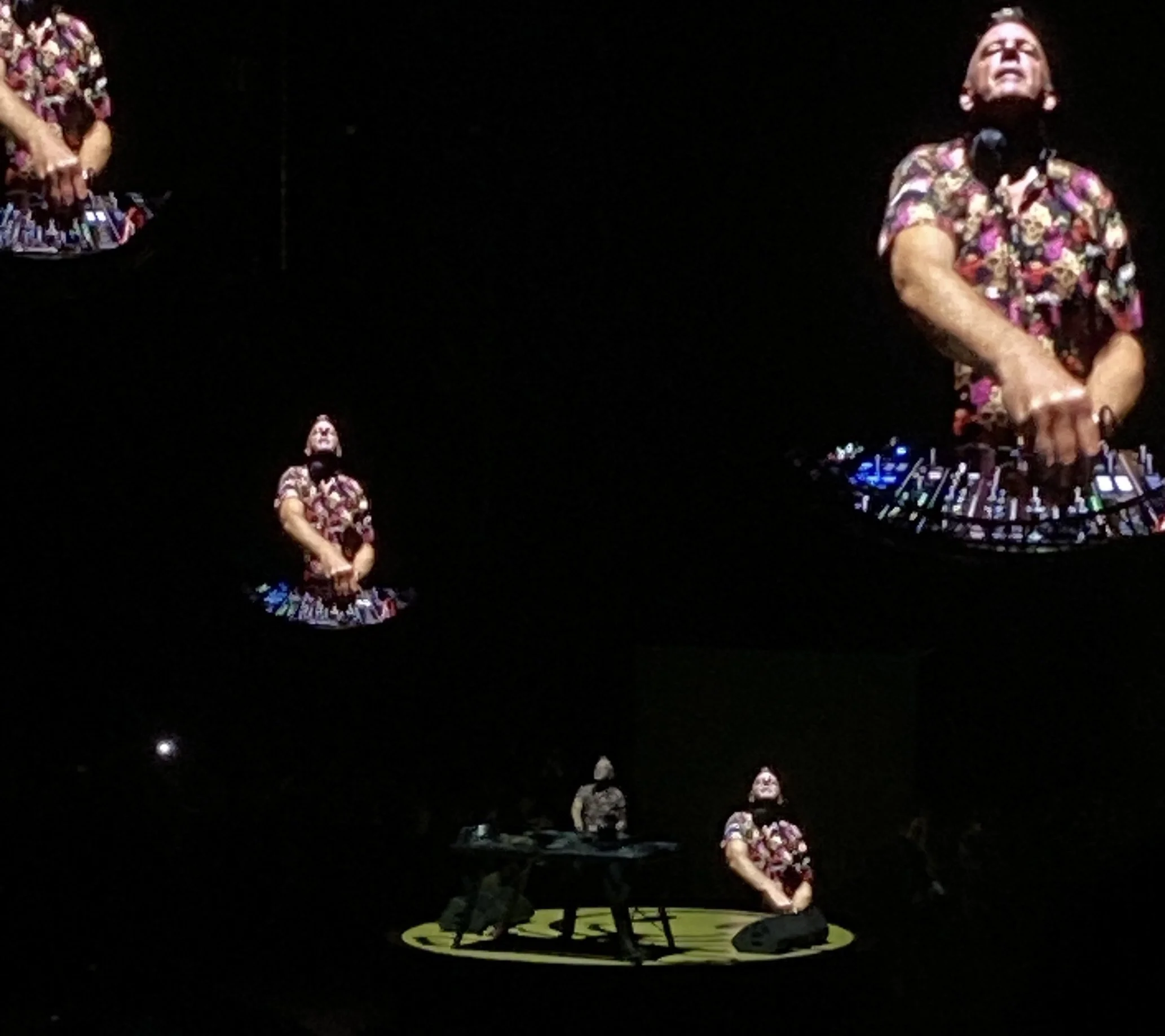
Spontaneity matters too. Walking to dinner one night, we noticed a billboard announcing Fatboy Slim at Movistar Arena. Two days later, we were seated in the stands—because spontaneity need not exclude certain posh preferences—watching the Funk Soul Brother deliver a spectacular audiovisual set. There’s something about Buenos Aires in which there is always another stage, even when the economy seems determined to complicate the production.
Check the listings, but leave one night deliberately open. A play, concert, or last-minute ticket may explain Buenos Aires as vividly as dinner.
The Staples Still Matter
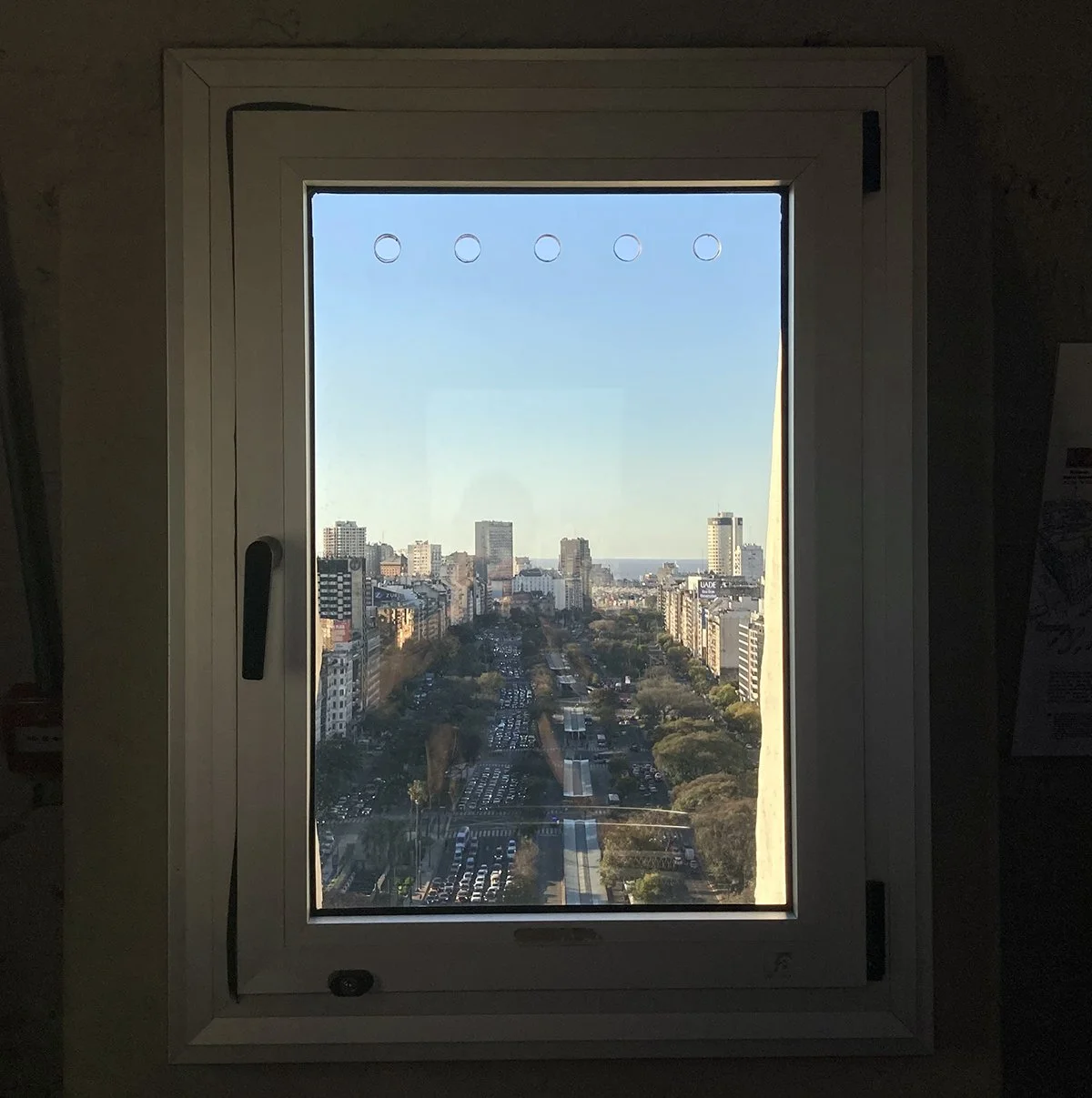
The Obelisk is no longer merely an icon observed from Avenida 9 de Julio. Since 2025, the Mirador Obelisco has allowed regular access to its summit. Eight steps lead to a glass-sided elevator built for four; a 35-step spiral staircase completes the ascent to four windows aligned with the cardinal directions, 221 feet above the city.
The visit lasts roughly 20 minutes, and the tiny group makes it feel unexpectedly exclusive. Book a timed ticket and aim for sunset, when orange light settles over the avenues and the familiar monument becomes an intimate vantage point.
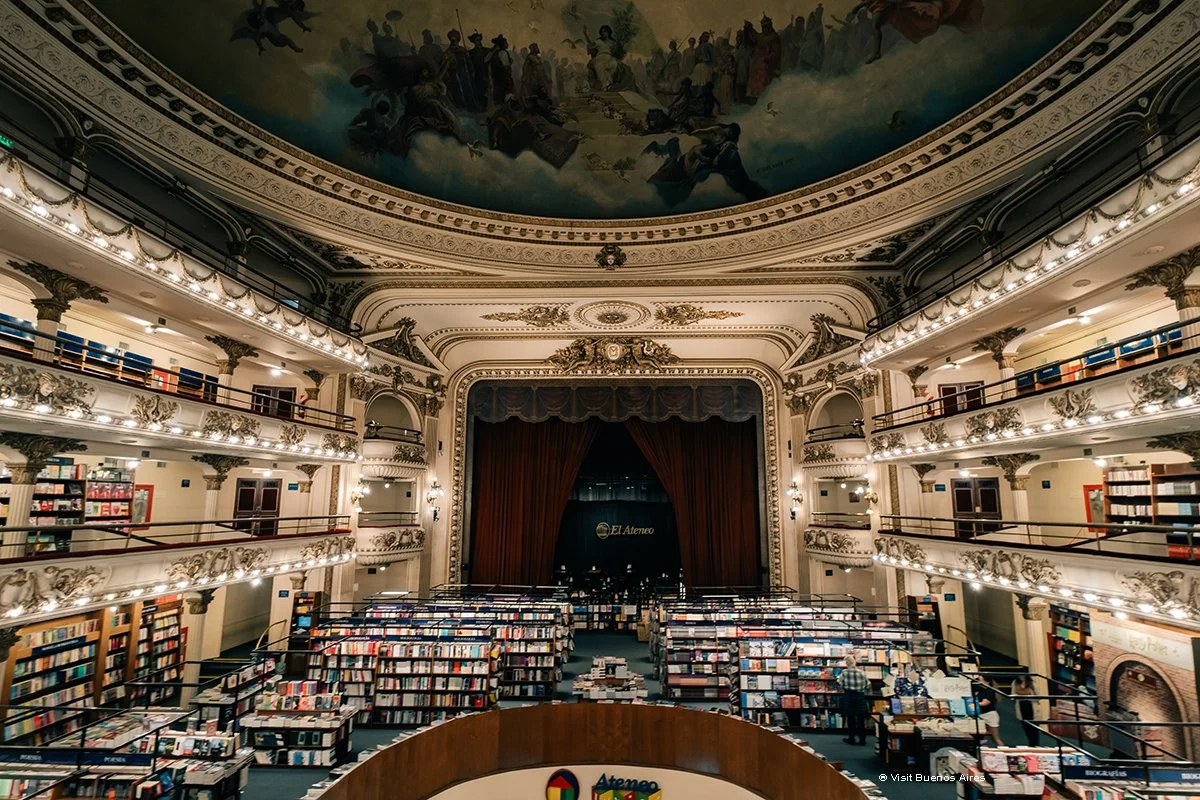
Downtown can then be enjoyed on foot through Santa Fé, Corrientes, Calle Florida, cafés, booksellers, and whatever appears when you turn away from the obvious route. El Ateneo Grand Splendid, housed in a former theater, belongs on the list for anyone who considers browsing books a form of cultural sightseeing.
Sunday belongs to San Telmo. Its antiques fair stretches across cobbled streets in a slow-moving mix of objects, music, and people. Approach it less as an obligation than as permission to wander before breakfast, lunch, or one final drink.
Palermo offers another version of the same principle. Connect its cafés, bakeries, ice-cream counters, restaurants, and bars on foot, letting any window disrupt the plan. Winter may be cold, but under clear sunlight the neighborhood assumes an almost cinematic glow.
Leave Room for One More Thing
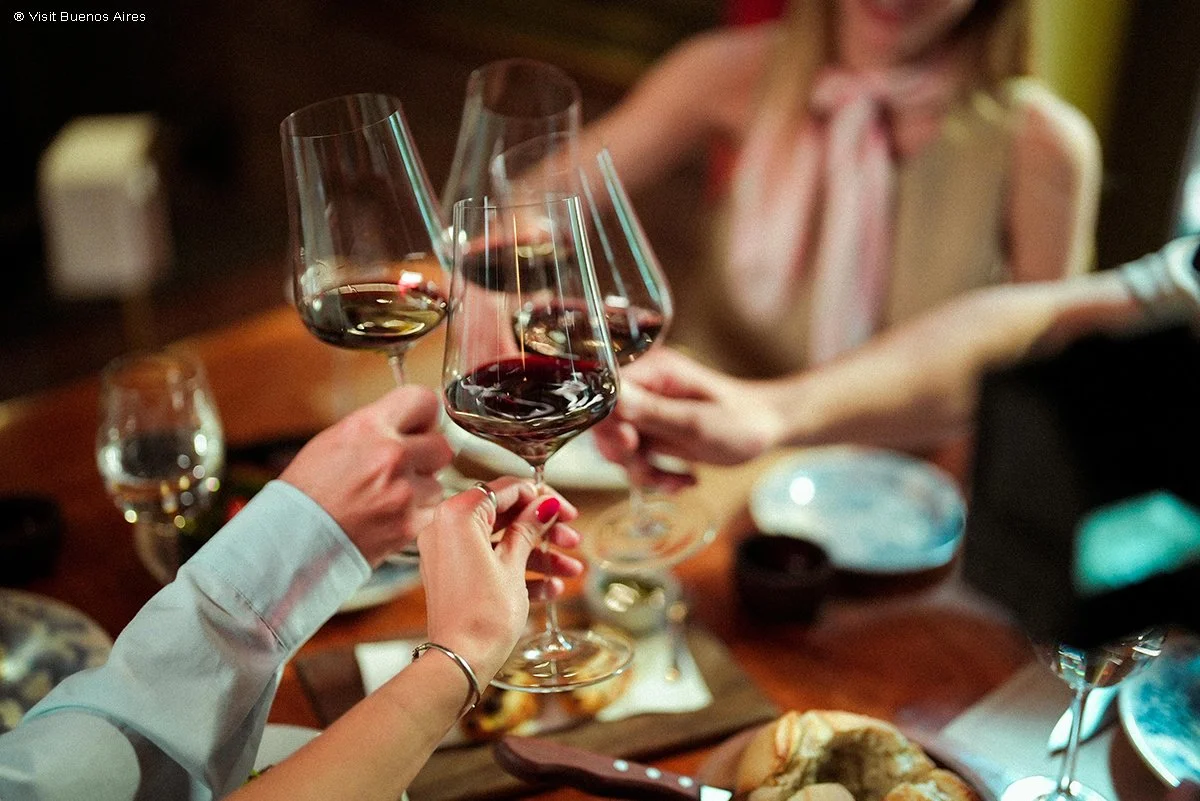
Buenos Aires can be neatly divided into beef, coffee, pastry, cocktails, culture, and landmarks. The city becomes more interesting when those categories collapse: coffee becomes conversation, a walk ends in ice cream, dinner leads to a bar, and a billboard turns into a concert.
Some places like restaurants and the obelisk require planning. The cultural calendar deserves attention. Everything else benefits from a degree of freedom: room for another cookie, one more bottle, a Martini before lunch, or a table that never appeared on the original list.
Buenos Aires is full of temptations, and the real luxury is having enough time to give in to them.