
THE LAST GRAND HOTEL OF PIGALLE: 24 Hours Inside Hôtel Rochechouart
By Titina Penzini and Louis Voltaire
At the foot of Montmartre, in the middle of Pigalle’s perpetual movement, Hôtel Rochechouart still feels like a secret from another Paris.
Built in the 1920s and originally opened as the Hôtel Charleston before becoming the legendary Carlton’s, the hotel has survived generations of artists, musicians, actors, night owls, and travelers passing through Pigalle since 1925. Beneath it, the mythical Mikado club once hosted jazz nights, Charleston dances, and Parisian nightlife until dawn.
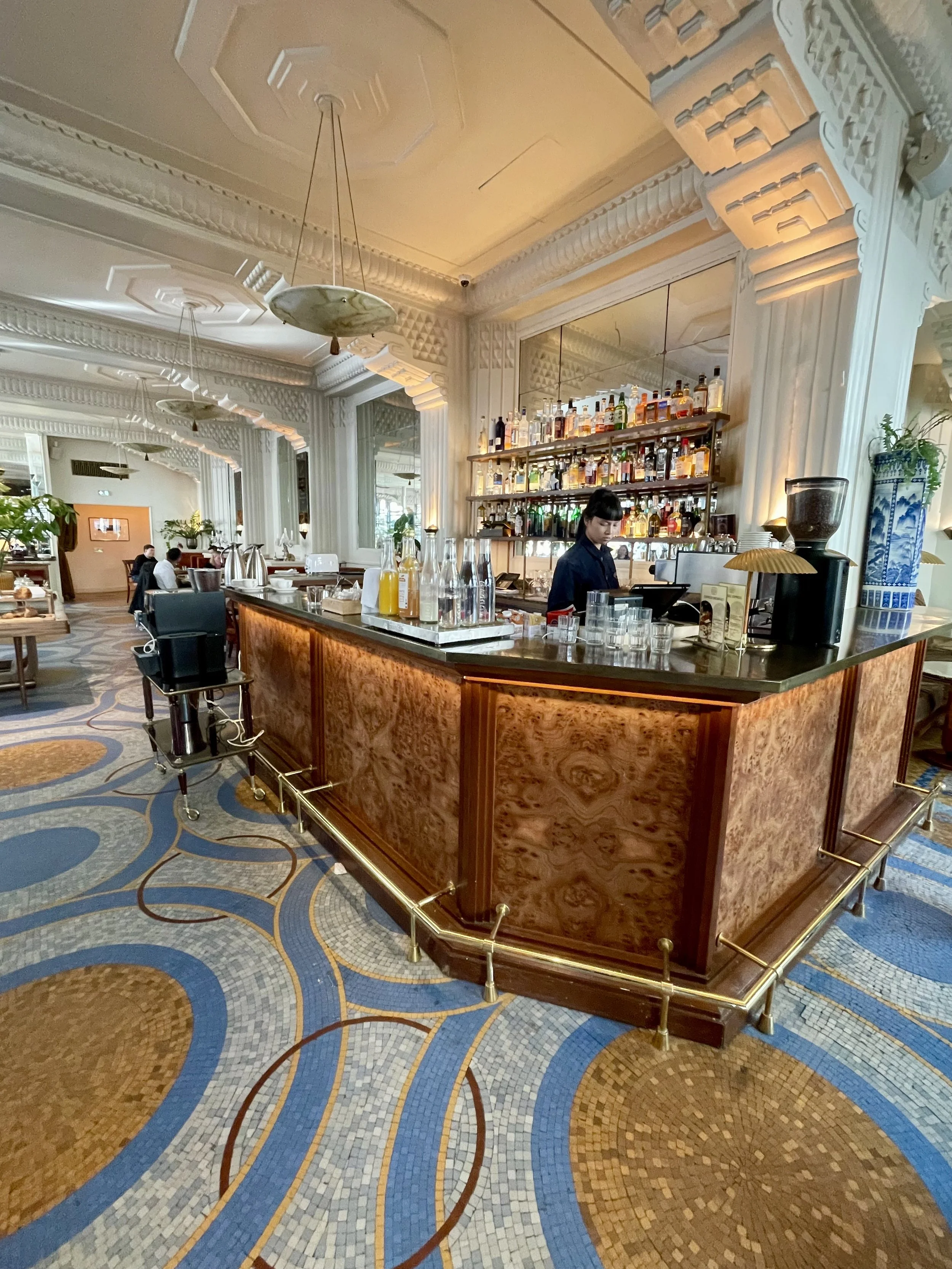
Today, under the vision of Louis Solanet and the Orso Group, the hotel has been revived without losing its soul.
And that is what makes Hôtel Rochechouart so compelling.
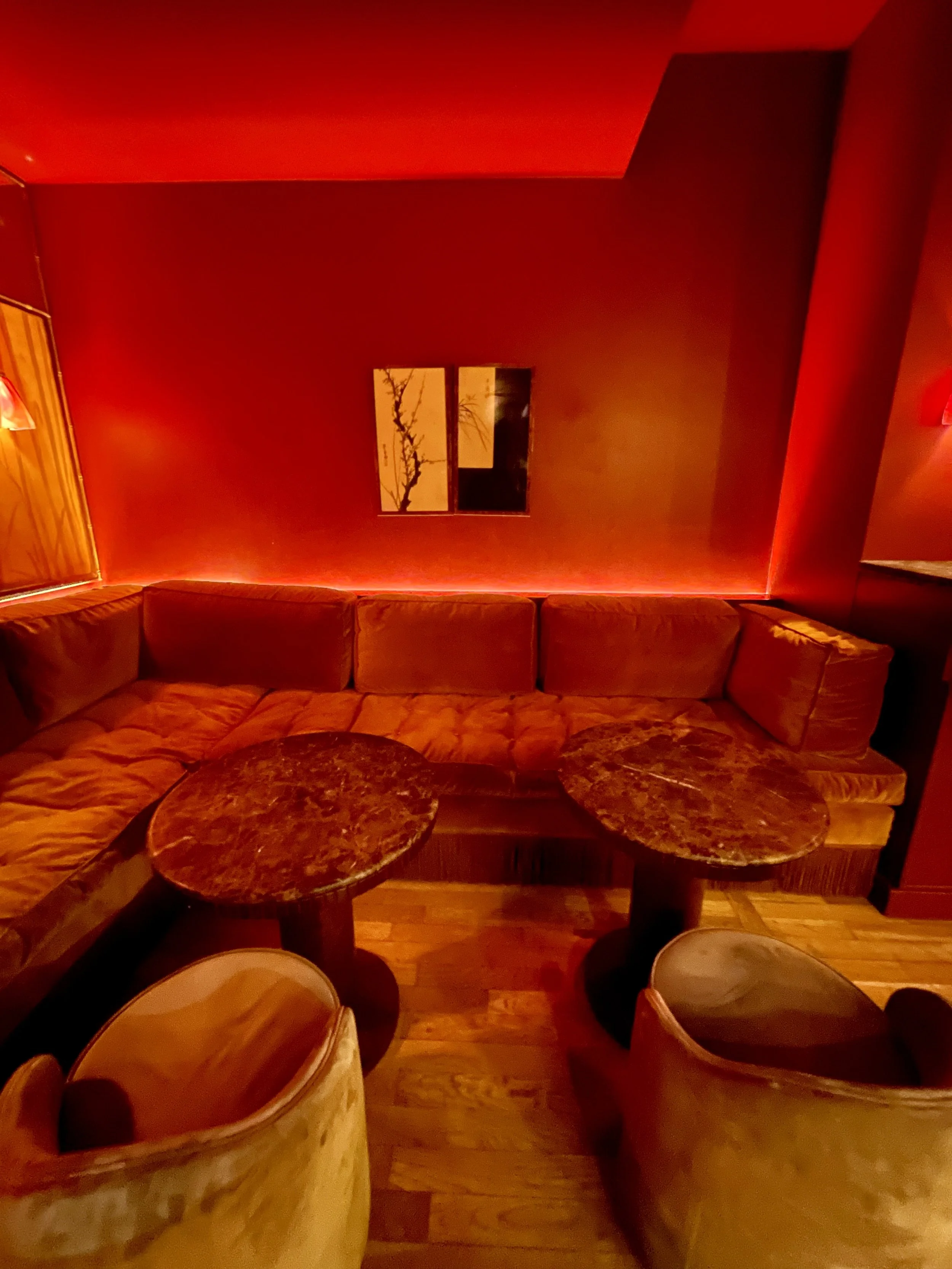
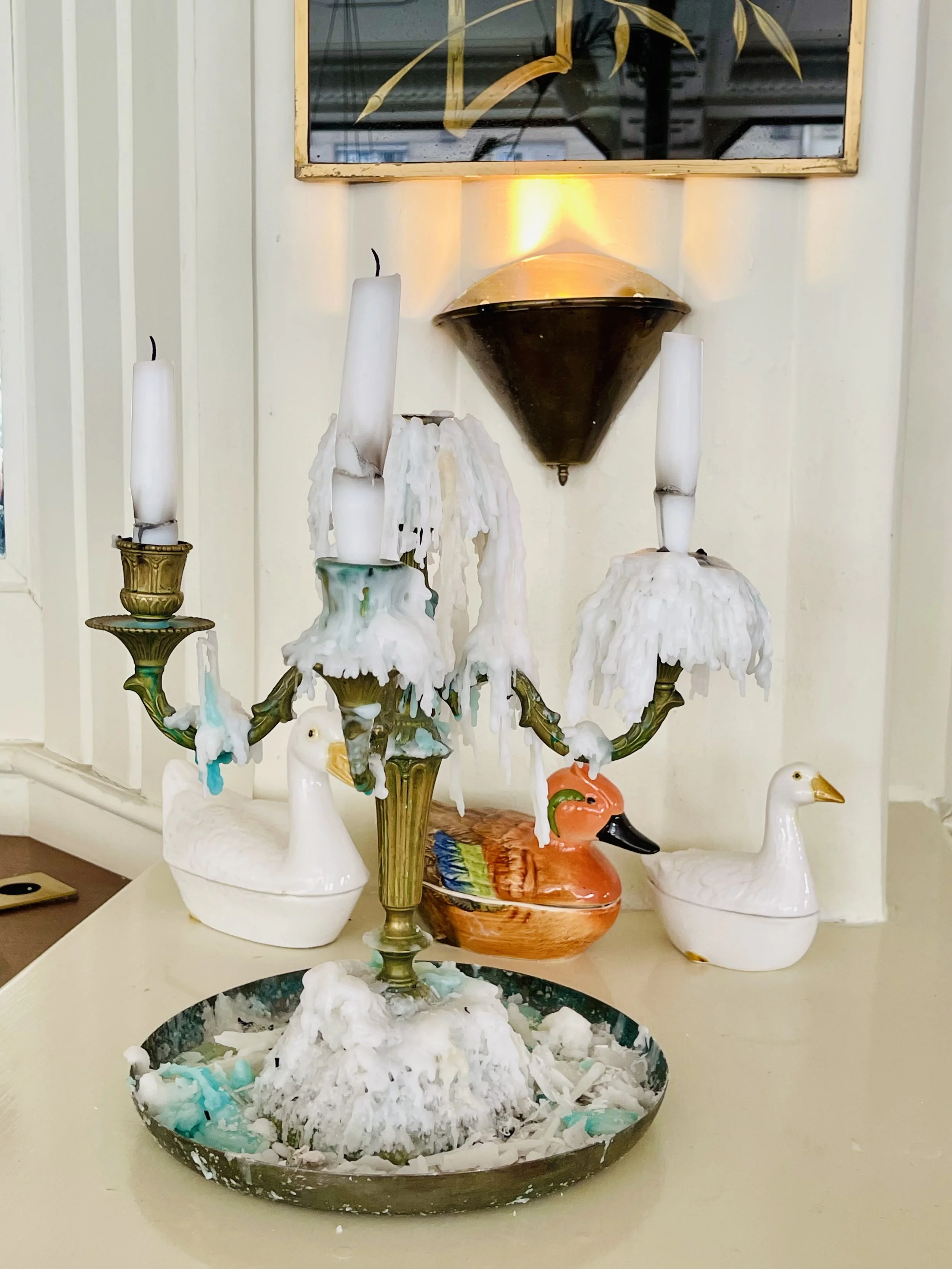
Nothing feels frozen or over-restored. The building still carries its quiet glamour, worn elegance, and unmistakably Parisian patina, as if time had simply passed through beautifully.
We arrived on a Saturday afternoon for what became an immersive 24 hours inside Pigalle.
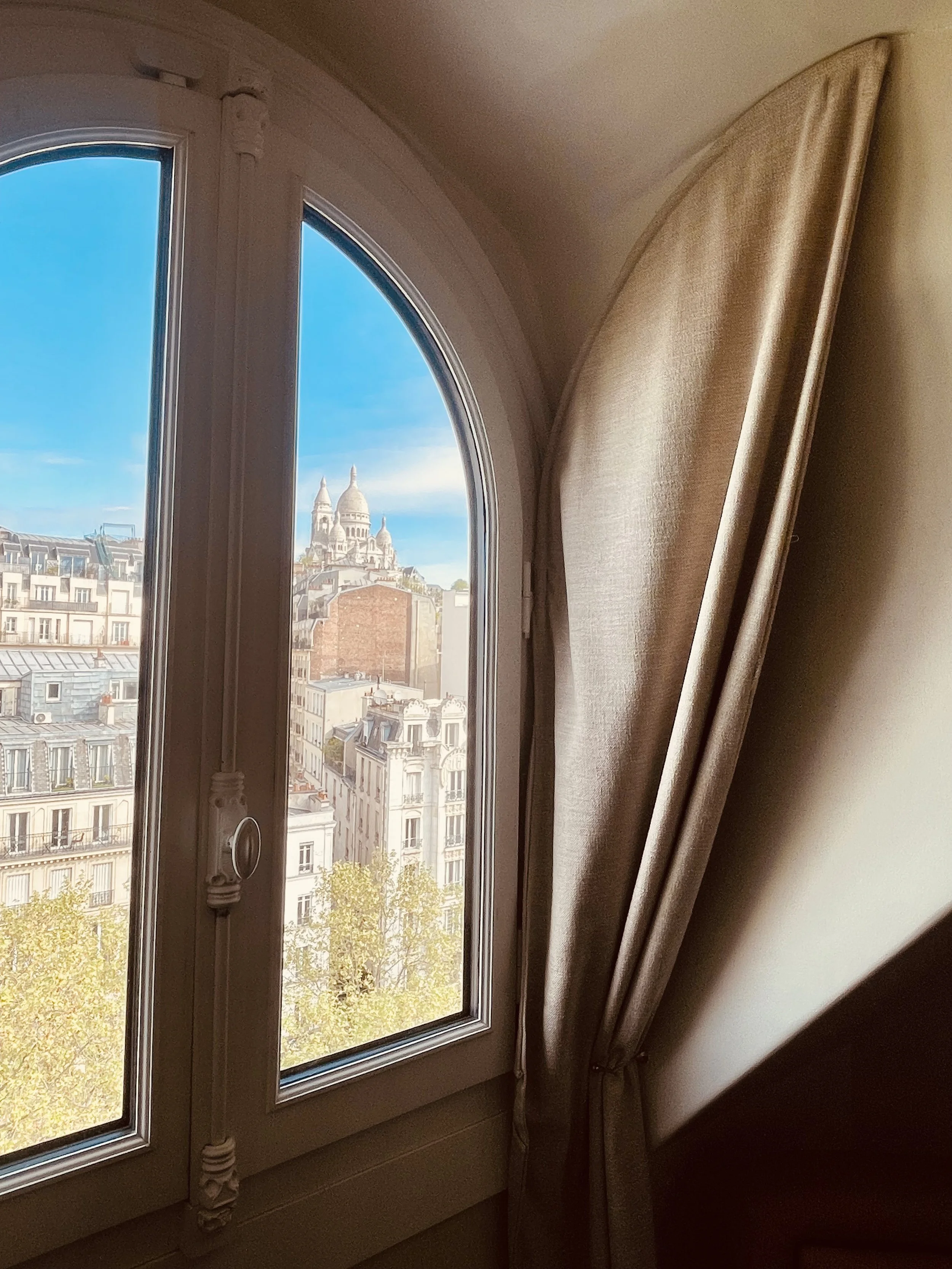
Our suite overlooked Paris through a magnificent rounded bay window opening onto Boulevard Rochechouart, like a private observatory suspended above the city. Below us, the neighborhood slowly shifted from daytime café life into nighttime energy while Montmartre turned gold in the sunset.
By early evening, we met Emiliana Valedon Penzini, João Amaral, and Michael Huard, founder of Say Who, better known as @SayMika.
Together, we headed to Maggie Rooftop just in time for sunset.
The view felt almost unreal.
Paris suddenly became monumental, with Sacré-Cœur floating above the skyline while Pigalle vibrated underneath.
Later, downstairs at Maggie Counter, icy white wine and magnificent oysters transformed the aperitif into one of those perfectly simple Parisian moments that cannot be manufactured.
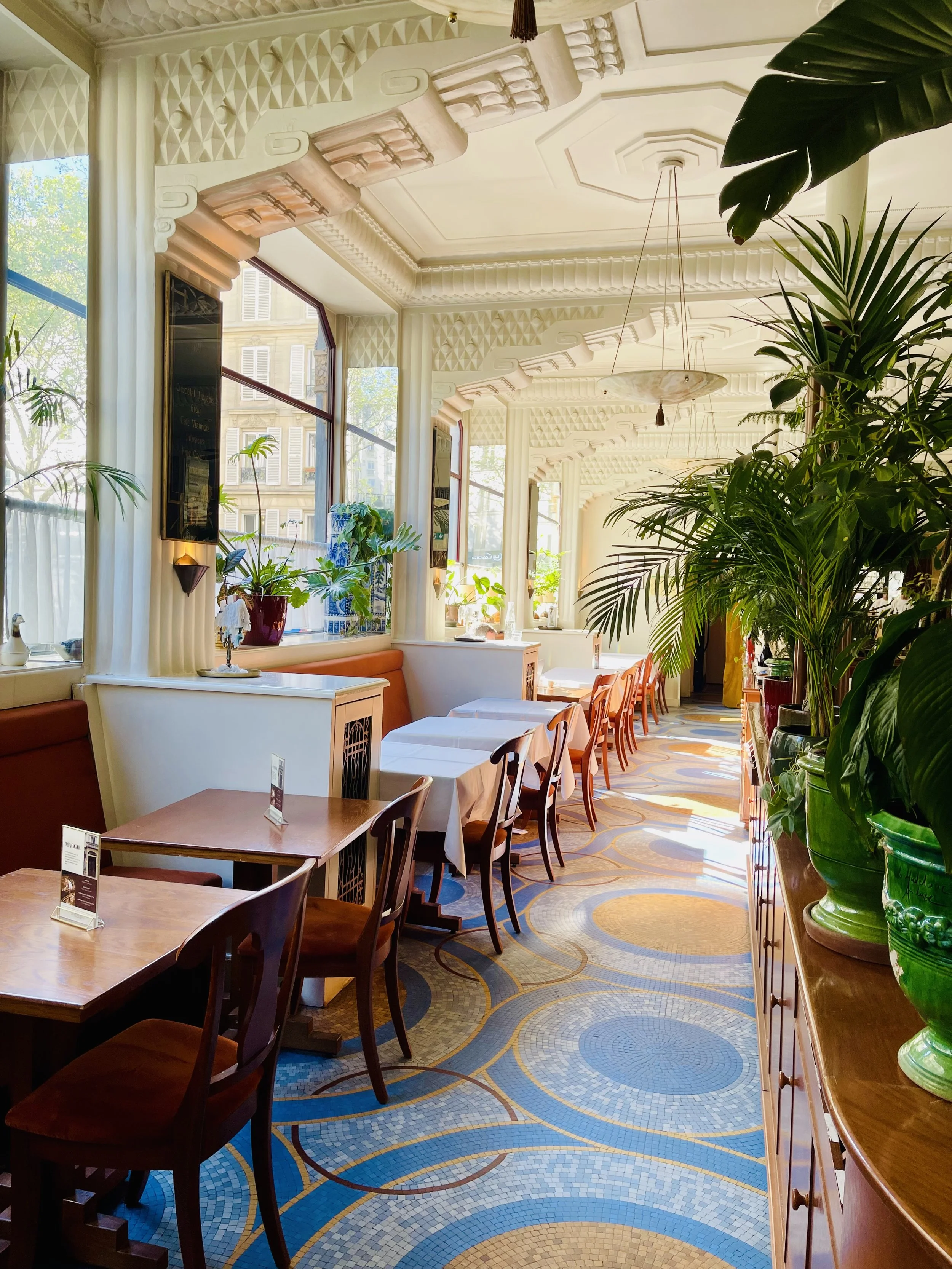
Dinner followed at Maggie Restaurant, where the spirit of the old grand Parisian brasserie still lingers without nostalgia: elegant, lively, and effortlessly local.
And then came Mikado Dancing.
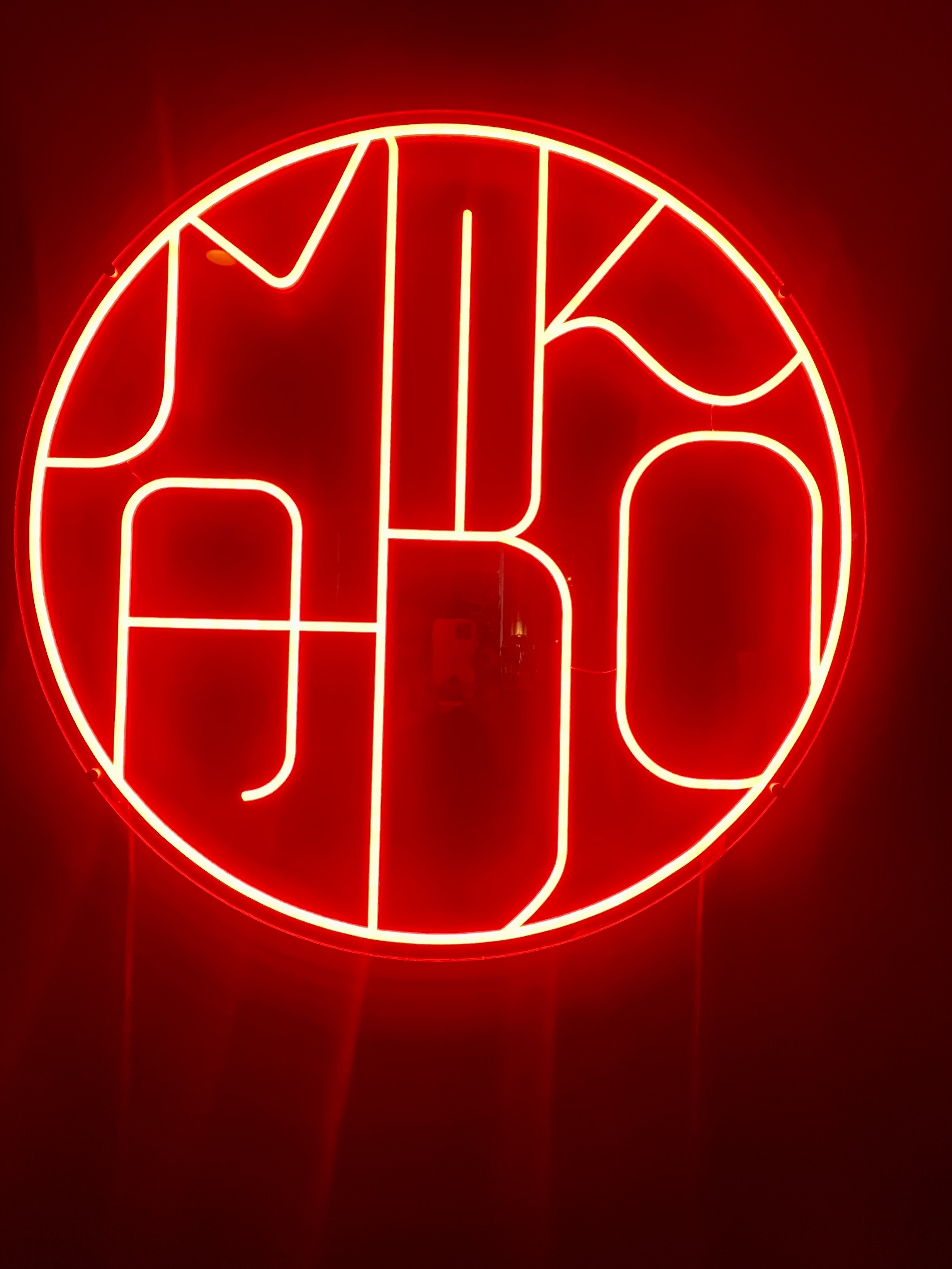
Hidden beneath the hotel, the legendary former music hall has now evolved into a nightclub while preserving the nocturnal spirit that made Pigalle legendary in the first place. No theatrical nostalgia. No excessive reinvention. Just darkness, music, cocktails, conversations, and that distinctly Parisian energy that slowly takes over the night.
The next morning unfolded slowly.
A long French breakfast. Coffee, eggs, warm pastries. Then a late checkout and a walk through Rue des Martyrs, still one of the most seductive streets in Paris.
Bookshops. Organic bakeries. Flower shops. Beautiful grocery stores. People carrying baguettes on a Sunday morning while terraces begin filling again.
The kind of neighborhood life that makes Paris feel less like a capital city and more like a beautiful habit.
By the time we returned to the hotel to check out, the experience already felt less like a hotel stay and more like having briefly inhabited another rhythm of Paris.
Because Hôtel Rochechouart is not simply about hospitality.
It is about atmosphere.
About preserving the elegance of Pigalle without polishing away its imperfections. About allowing history, music, nightlife, and Parisian daily life to continue coexisting naturally under one roof.
Special thanks to Louis Solanet, co-founder of Orso Hotels, and Sébastien Gesnin, General Manager of Hôtel Rochechouart, for their warm hospitality and for preserving one of Pigalle’s most beautiful surviving spirits.
@hotelrochechouart
@saymika
@titinapenzini
@louisvoltaire