# 5 Brand Experiences That Made NYFW 2026 Bigger Than the Runway
NEW YORK . From Carolina Herrera and Diesel to Bvlgari, Prada Beauty and Chanel, some of Fashion Week's most interesting moments happened beyond the show.
For decades, Fashion Week was built around a fairly simple idea: the interesting people were inside the room. This September, some brands challenged that geography.
While collections moved down the runway, New York became part of the media plan. A SoHo storefront became a fragrance laboratory. A Brooklyn landmark glowed Diesel red. A monumental golden serpent appeared on the High Line. Prada Beauty turned fragrance discovery into a photo studio. Chanel borrowed the rituals of a Parisian cafe.
Different brands, different scales, one common thread: they gave people somewhere to go. That is an interesting proposition in a culture with no shortage of things to watch. A physical experience asks for something more deliberate than a passing glance. People have to decide it is worth leaving home for. Here are five brand experiences that made New York Fashion Week 2026 feel considerably bigger than the runway.
Carolina Herrera: The Good Girl Lab
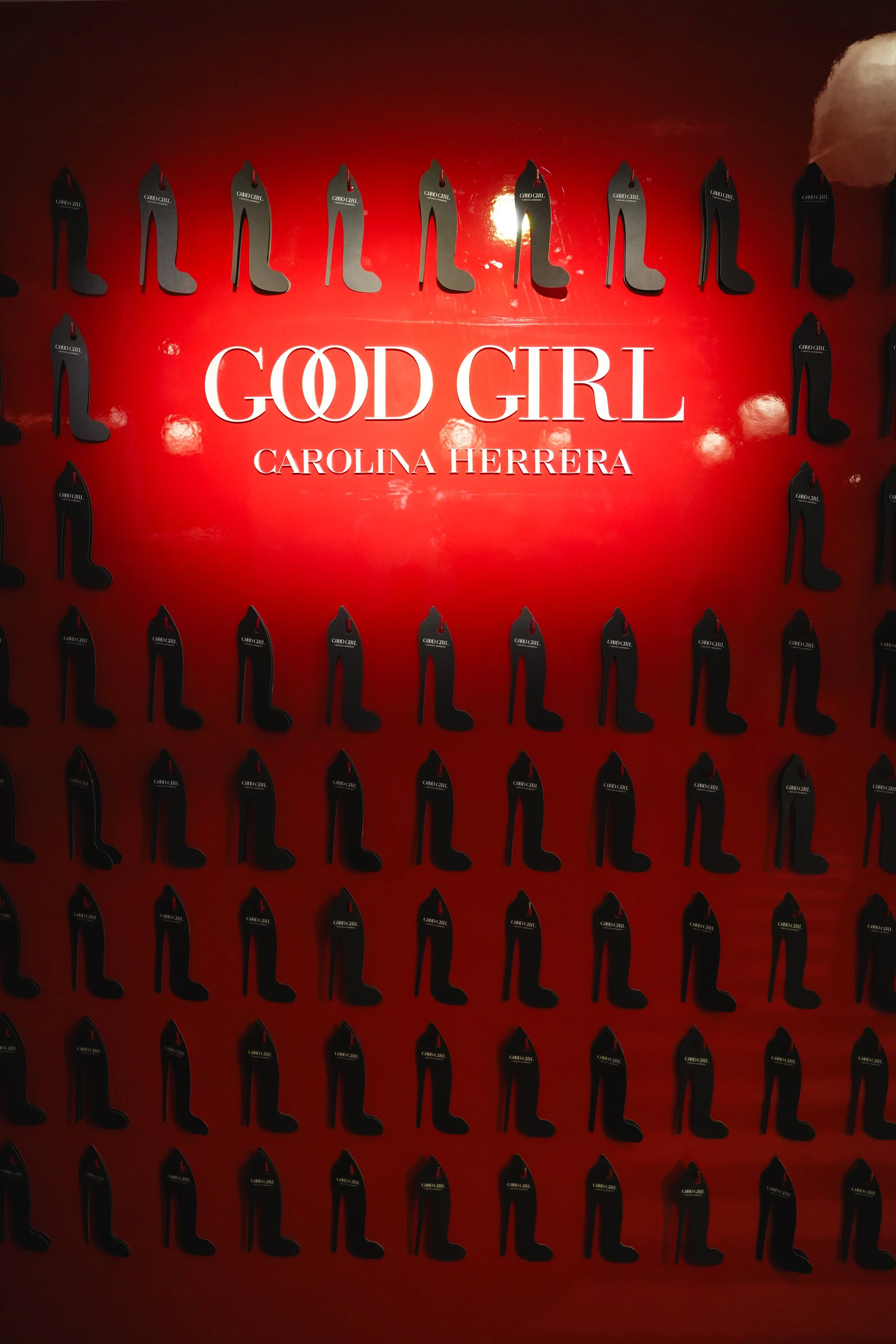
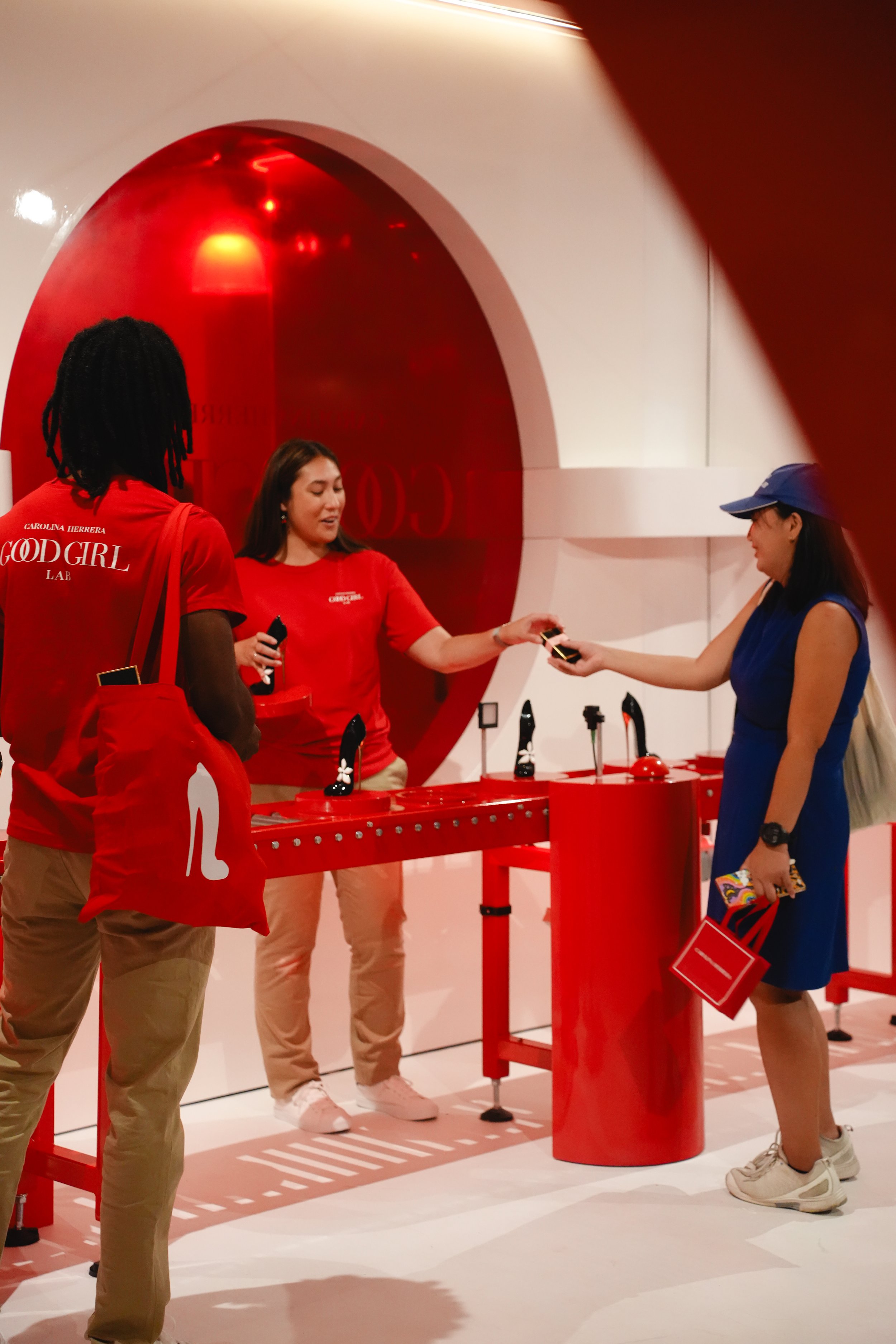
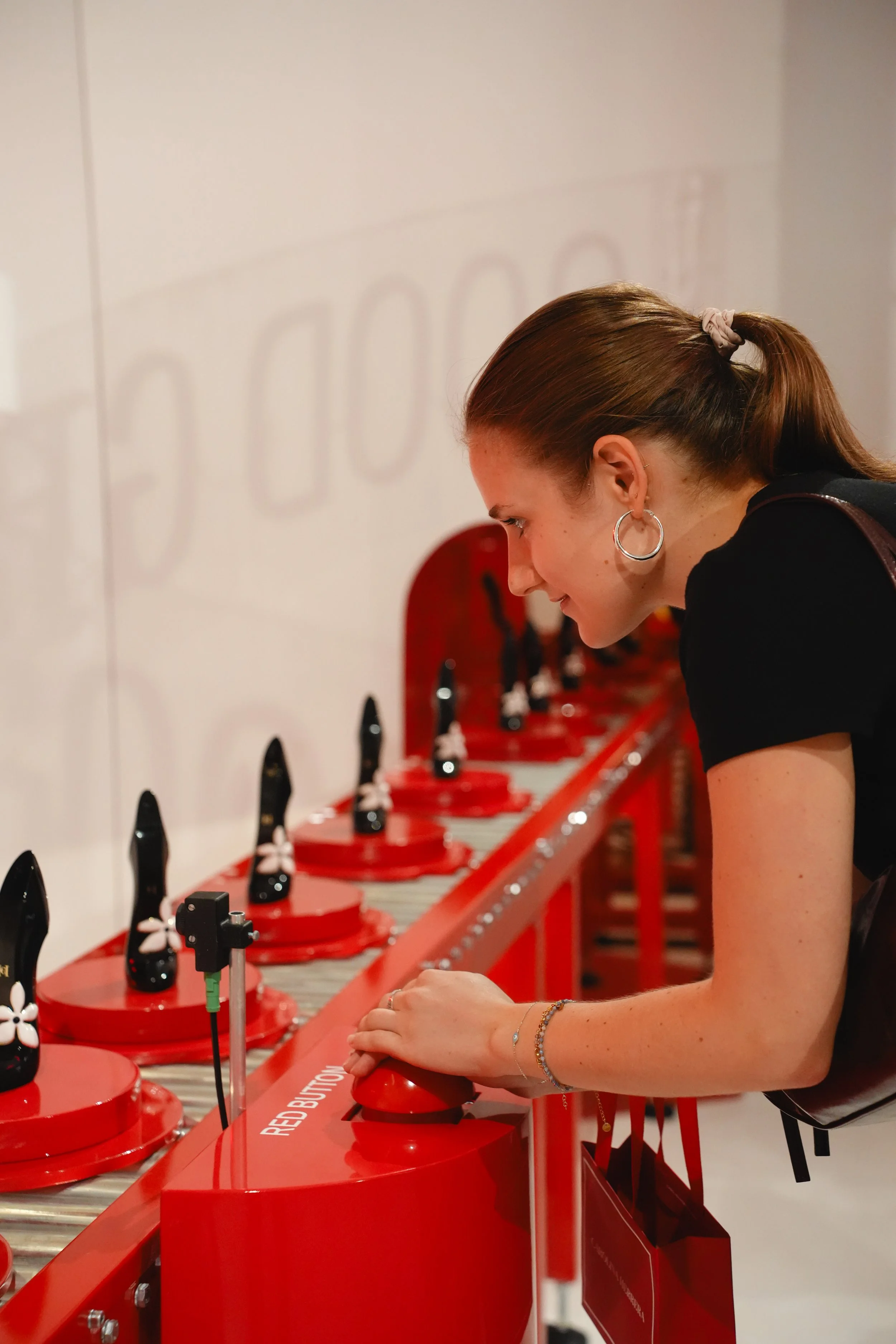
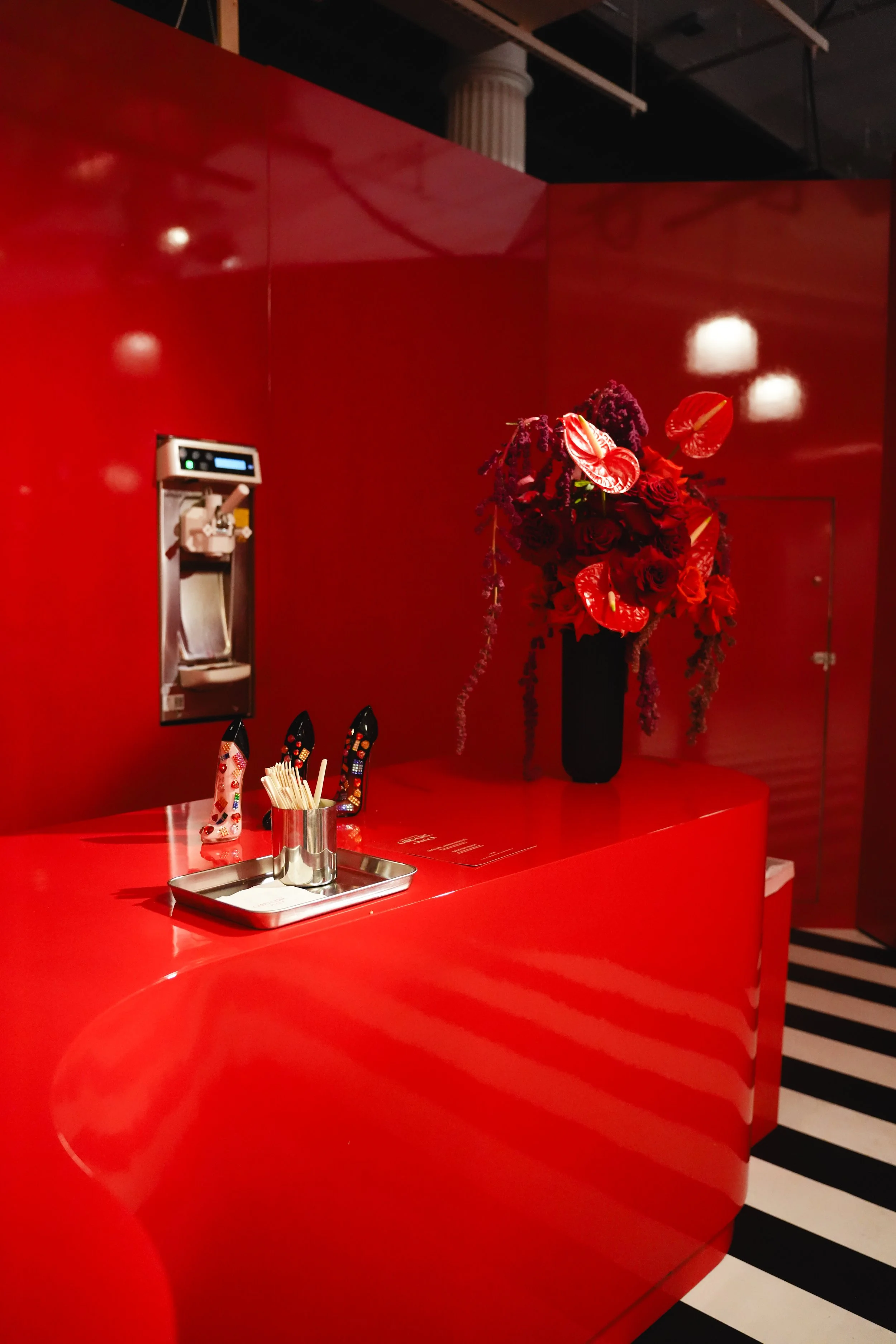
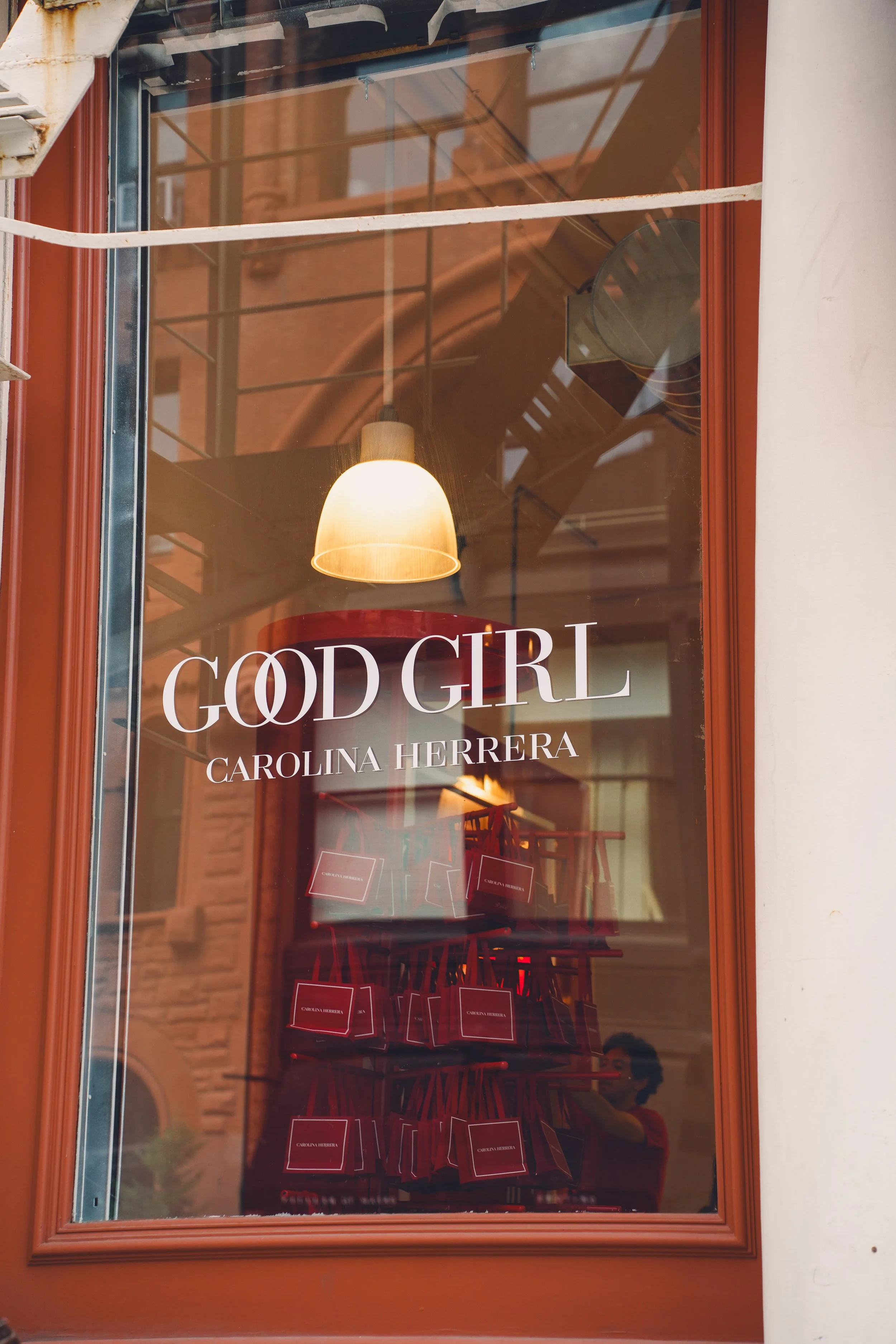
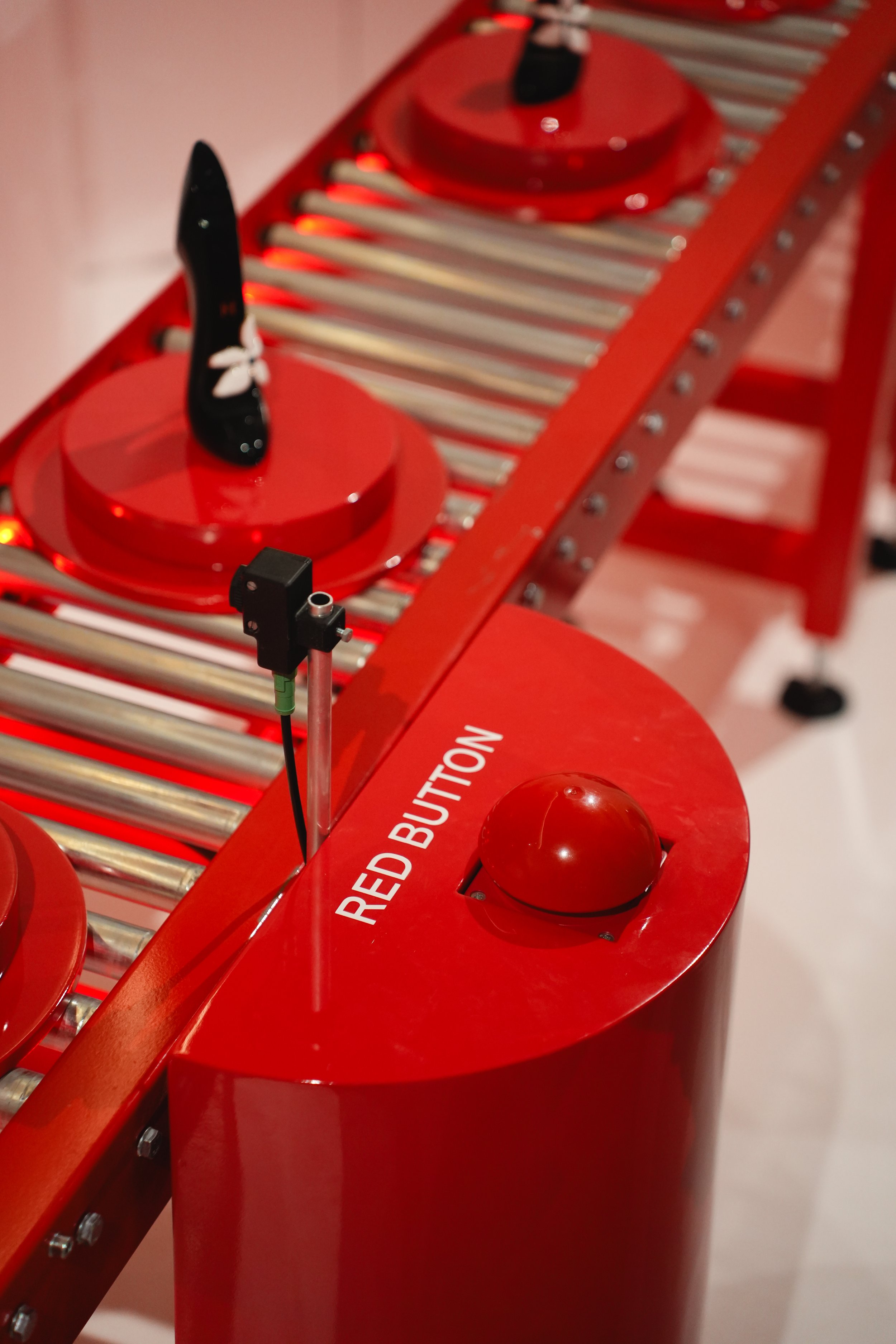
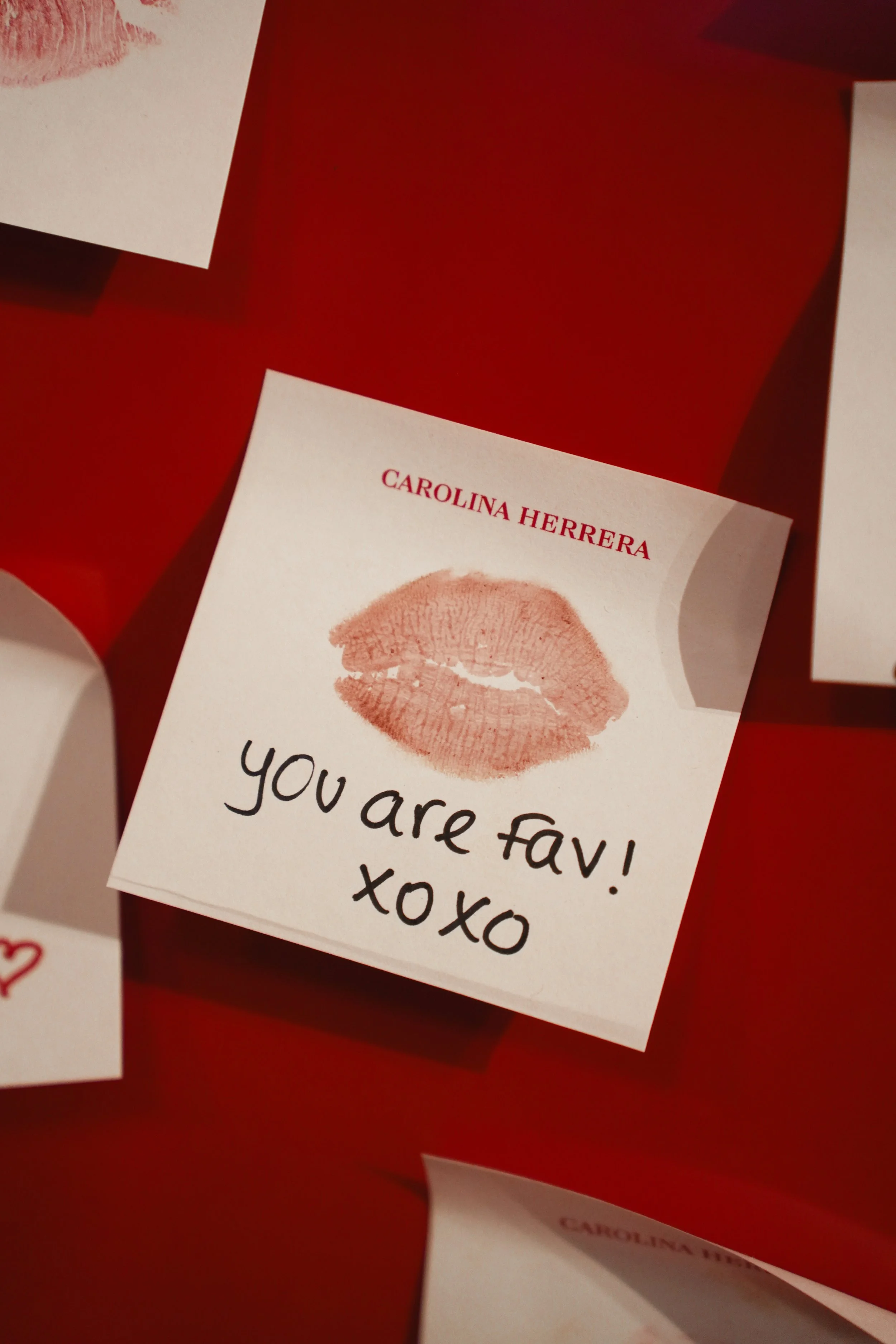
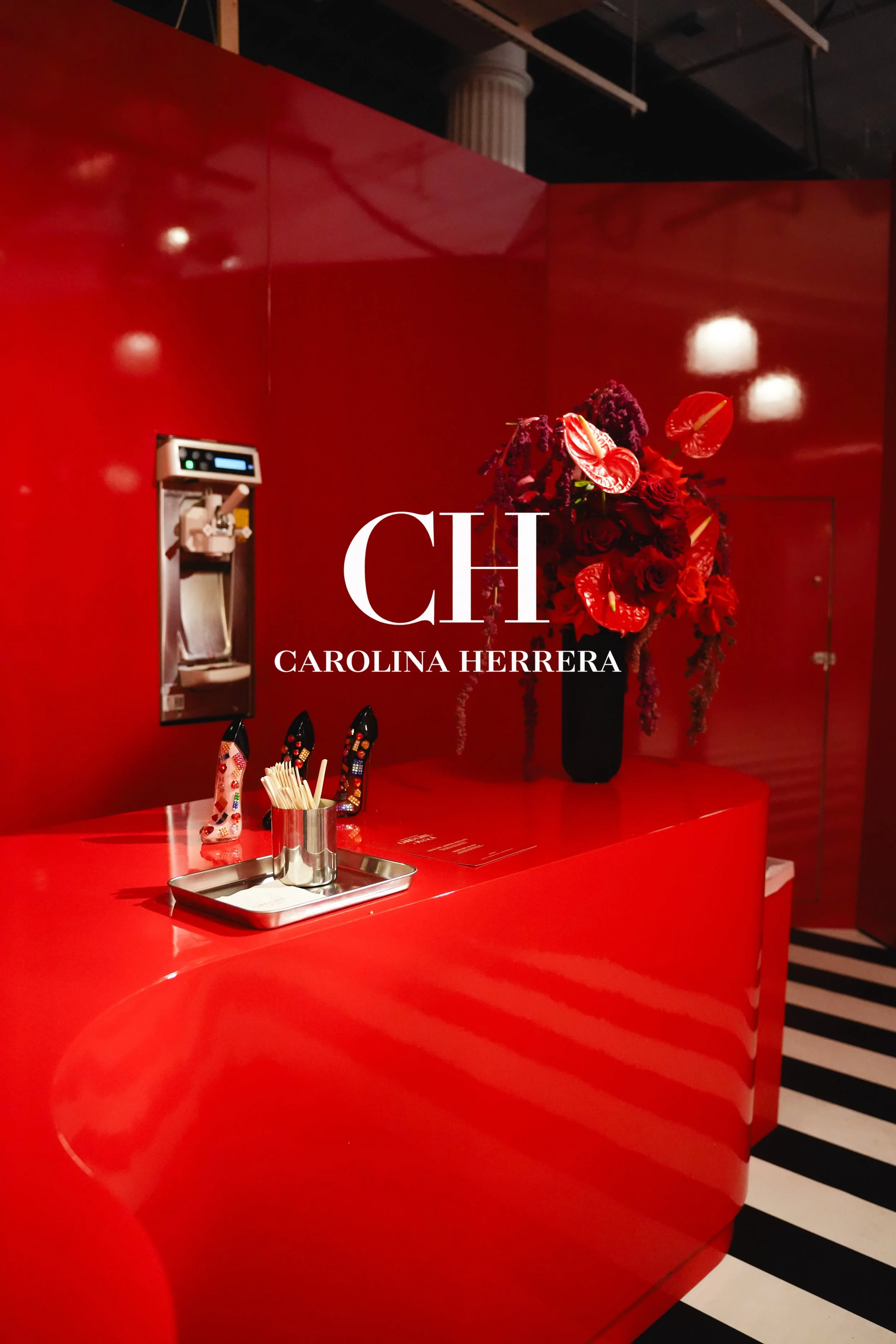
A fragrance has one obvious problem on a screen: you cannot smell it. For Good Girl's tenth anniversary and the launch of Good Girl Jasmine Absolute, Carolina Herrera transformed 489 Broome Street in SoHo into The Good Girl Lab. Open to the public from September 11 to 13, the immersive experience invited visitors into the world behind the fragrance's unmistakable stiletto bottle. The Good Girl Lab concept was designed and produced by Spanish agency 4/4 Comunicaciones for the New York edition, Gotham Group Agency served as local production partner in NYC, coordinating venue logistics, permits and local vendors. Guests explored an olfactory archive, took part in interactive challenges and discovered beauty experiences before stopping at the Good Girl Café.
Product discovery became a sequence of things to do rather than a campaign to look at. The creative opportunity was straightforward: when a screen cannot communicate a scent, build the world that scent is supposed to make people feel part of. Sometimes the most useful question in experiential marketing is not what to show people, but which part of the brand they could step inside.
Diesel Fragrances: Only Desire Diesel went bigger
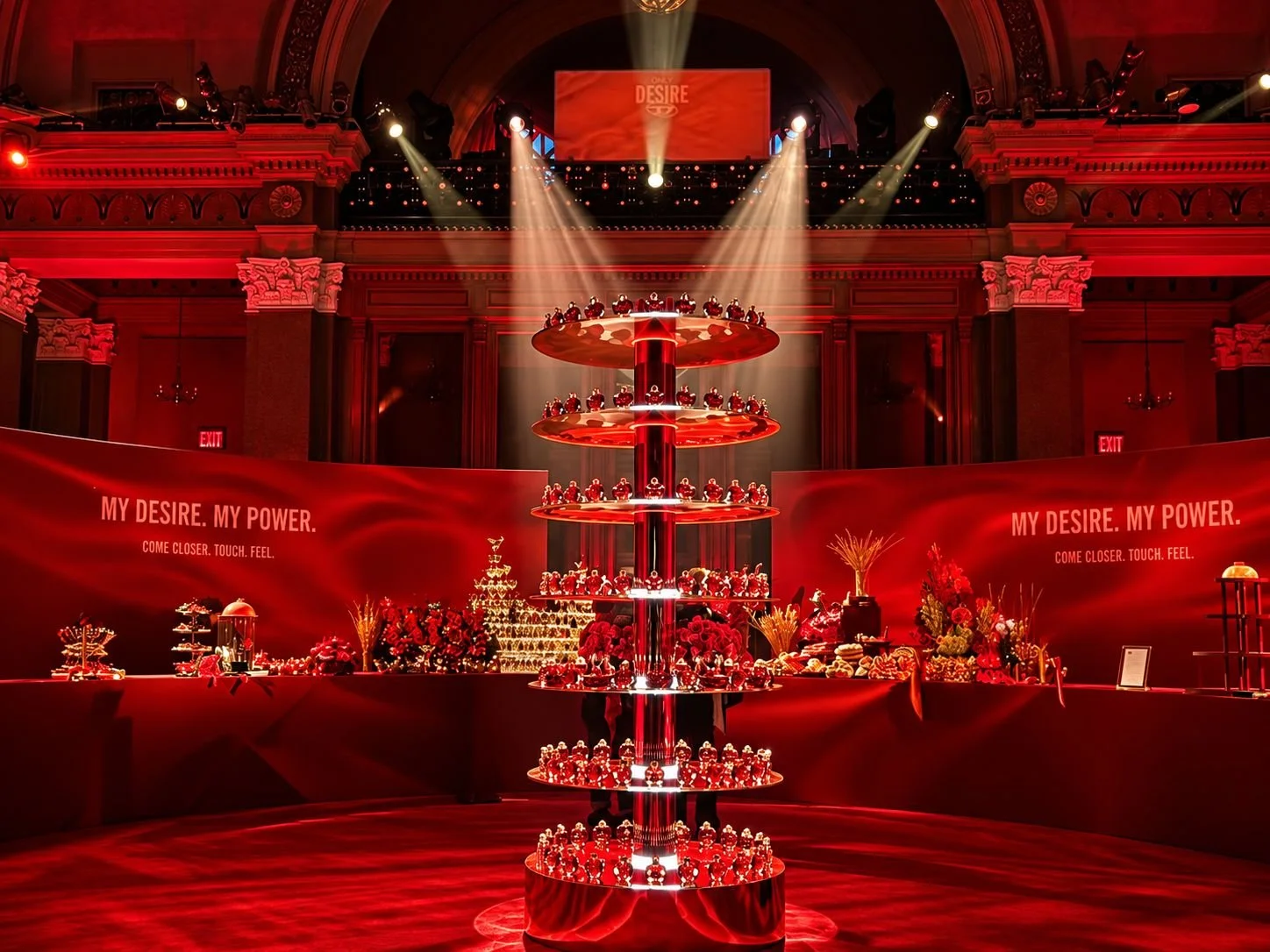
To celebrate Only Desire, its first major feminine fragrance under Glenn Martens' creative direction, Diesel Fragrances took over Brooklyn's historic Weylin. ANOTHER A STORY handled the experience's design and production, transforming the former Williamsburg Savings Bank into a red-lit expression of the fragrance's attitude. Dove Cameron, the face of Only Desire, joined the celebration alongside guests from fashion, beauty, music and digital culture. The scale was part of the idea. Diesel did not construct a neutral event and place a fragrance inside it. The experience took a recognizable brand code, red, and allowed it to consume the building. It is a useful reminder that immersion does not necessarily mean adding more things. Sometimes it means identifying something people already associate with the brand and making it impossible to ignore. You do not always need a new world. Sometimes you need to make your existing one big enough to walk into.
Only Desire Diesel
Bvlgari: Serpenti Infinito
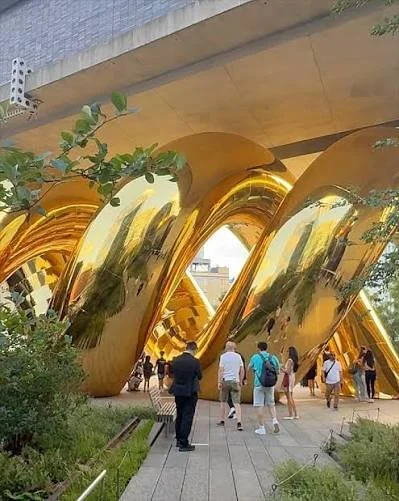
As part of Serpenti Infinito, the Roman house commissioned Berlin-based art and architecture duo Plastique Fantastique to create auruBOROS: Urban Memory and Collective Dream. Plastique Fantastique developed the monumental golden pneumatic installation for the High Line, while Prodject handled project management. The structure translated Serpenti from a jewelry motif into public architecture, giving passersby a way to encounter the brand outside a boutique. That accessibility was central to its appeal. There was no store threshold to cross and no product demonstration to complete. The serpent itself became the attraction. Luxury often creates desire by controlling how close people can get. Here, Bvlgari made one of its most recognizable symbols enormous, public and temporarily part of New York. The logo was not placed on the experience. The brand's visual identity became the experience.
Bvlgari: Serpenti Infinito
Prada Beauty: Paradoxe Sweet Chemistry
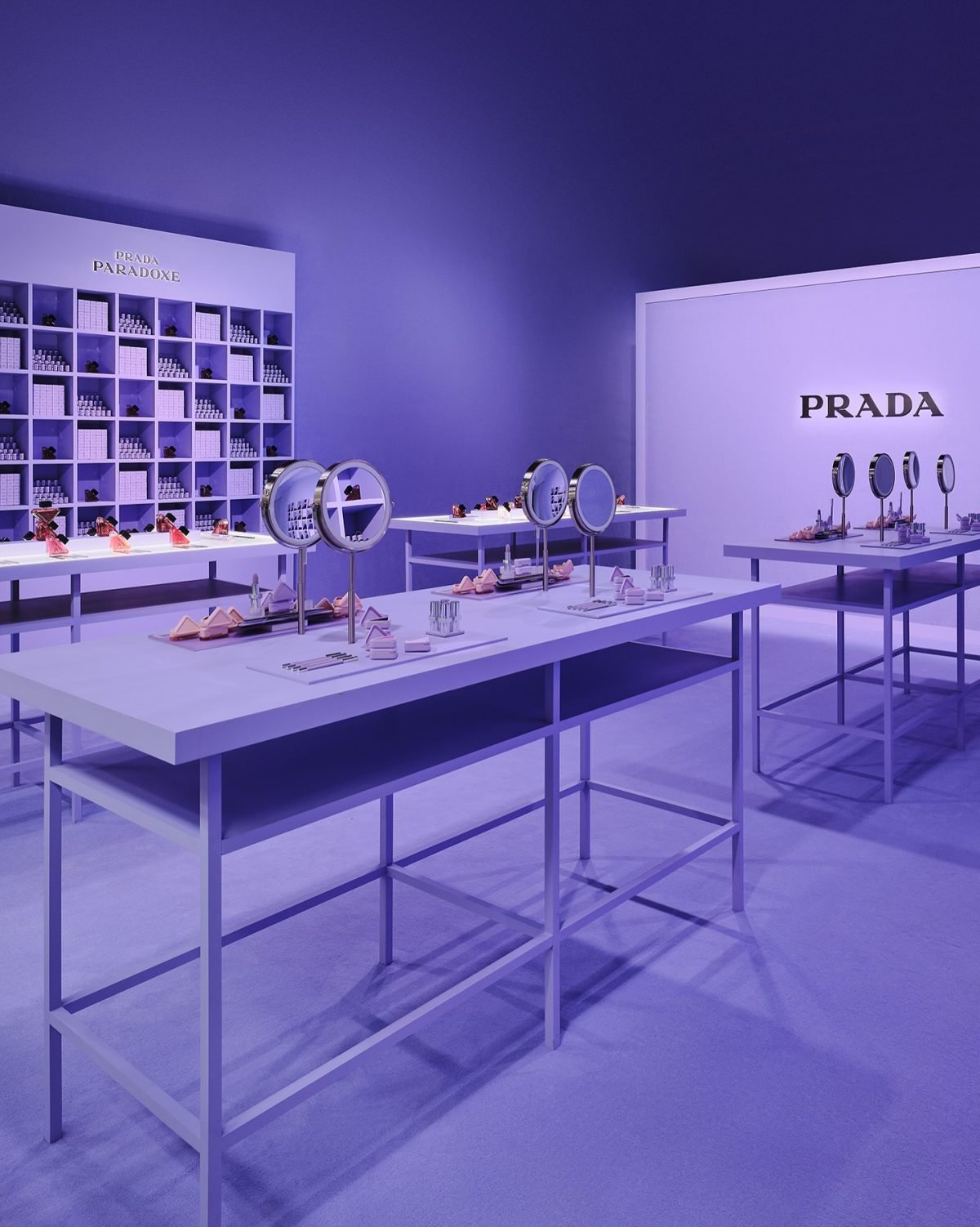
Prada Beauty gave fragrance discovery a SoHo address and a reason to get in front of the camera. The Prada Paradoxe Photo Studio opened at 45 Grand Street on September 12 and 13, bringing Paradoxe Sweet Chemistry and the Wisteria Makeup Collection into an interactive setting. Visitors could explore products with Prada Beauty experts, receive personalized consultations and have professional portraits taken during their visit. The format connected the campaign's imagery with the visitor's own image. People could discover the fragrance and leave with a portrait of themselves inside its world. That is a more interesting invitation than another product display. The campaign supplies a setting, but the visitor supplies the person at its center. For beauty brands, the lesson extends beyond photography. A physical activation can bring storytelling, product discovery and personal attention into the same interaction. The experience gives the product context, while the product gives the experience something tangible to explore.
The Prada Paradoxe Photo Studio opened at 45 Grand Street
Chanel: Café Mademoiselle
Chanel approached fragrance through something more familiar than a futuristic installation: a cafe. The house transformed Balthazar into Café Mademoiselle for the launch of Coco Mademoiselle Crush Absolu. A public, cafe-inspired experience at 873 Washington Street in the Meatpacking District extended the concept across two September weekends. Guests could sit at a bar or table for personalized fragrance discovery, exploring the new scent alongside the wider Coco Mademoiselle collection and Chanel beauty products. The interesting decision was the behavior Chanel borrowed. People already know what to do at a cafe: sit, stay, talk and watch the room. Discovering a fragrance from a cafe table introduces a different social rhythm from standing at a beauty counter. The format gave the brand an opportunity to turn a familiar ritual into a more personal encounter with its products. That is one of experiential marketing's most useful tools. You do not always have to invent a new behavior. Sometimes you borrow one people already enjoy and let the brand inhabit it. The runway ends. The brand does not have to. These experiences approached participation differently, from public installations and fragrance discovery to invitation-only celebrations. Their common ground was the decision to give the brand a physical presence beyond the runway. The creative and production work mattered because it determined how that presence would be experienced: what visitors could enter, touch, explore and take away.
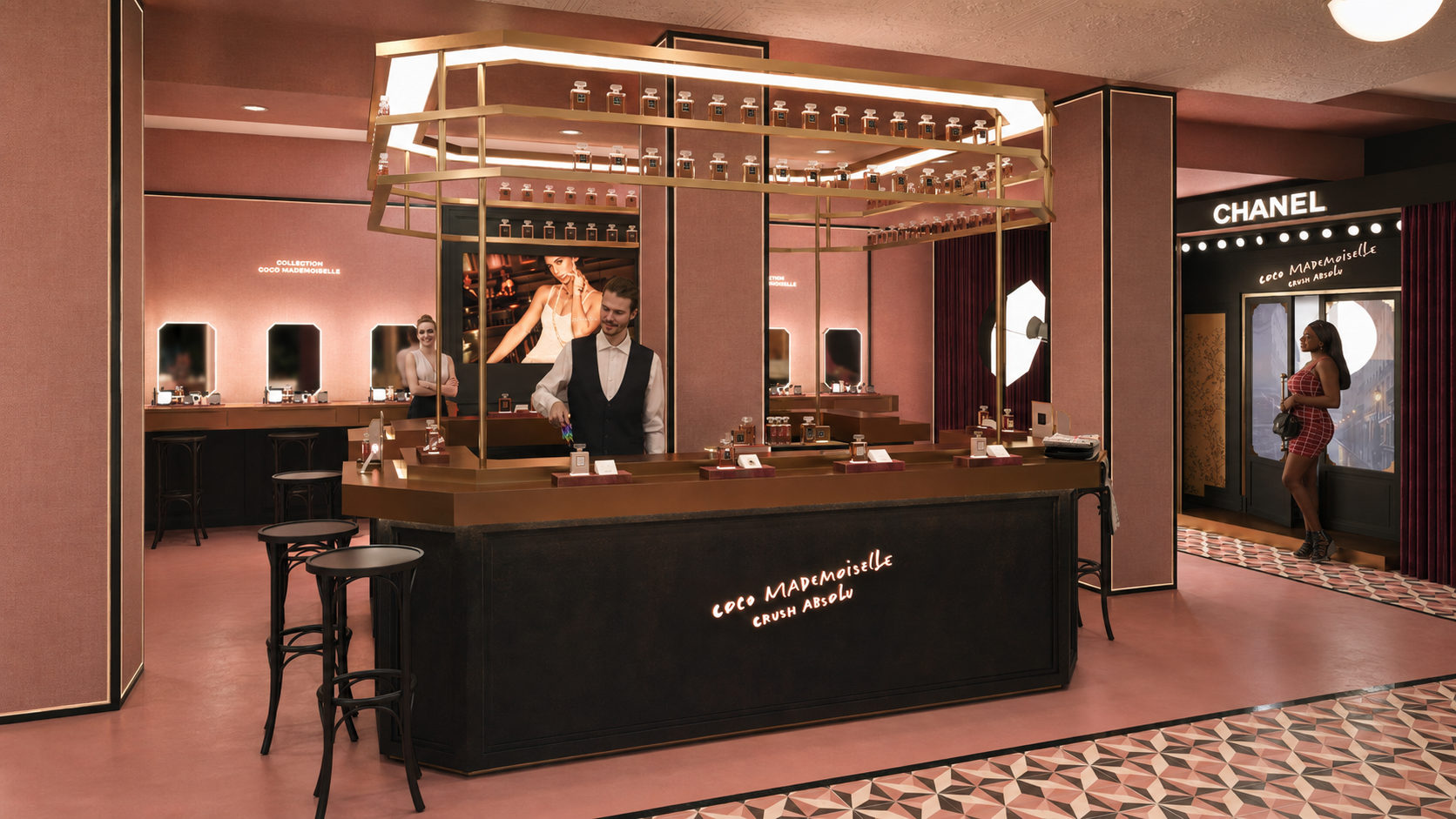
Chanel: Café Mademoiselle
For brands, that creates a different question from how much content to produce. What could someone experience that would give them a story of their own to tell? The runway ends. The story can go home with the audience.